# Creative Ways to Encourage Positive Behavior at Home

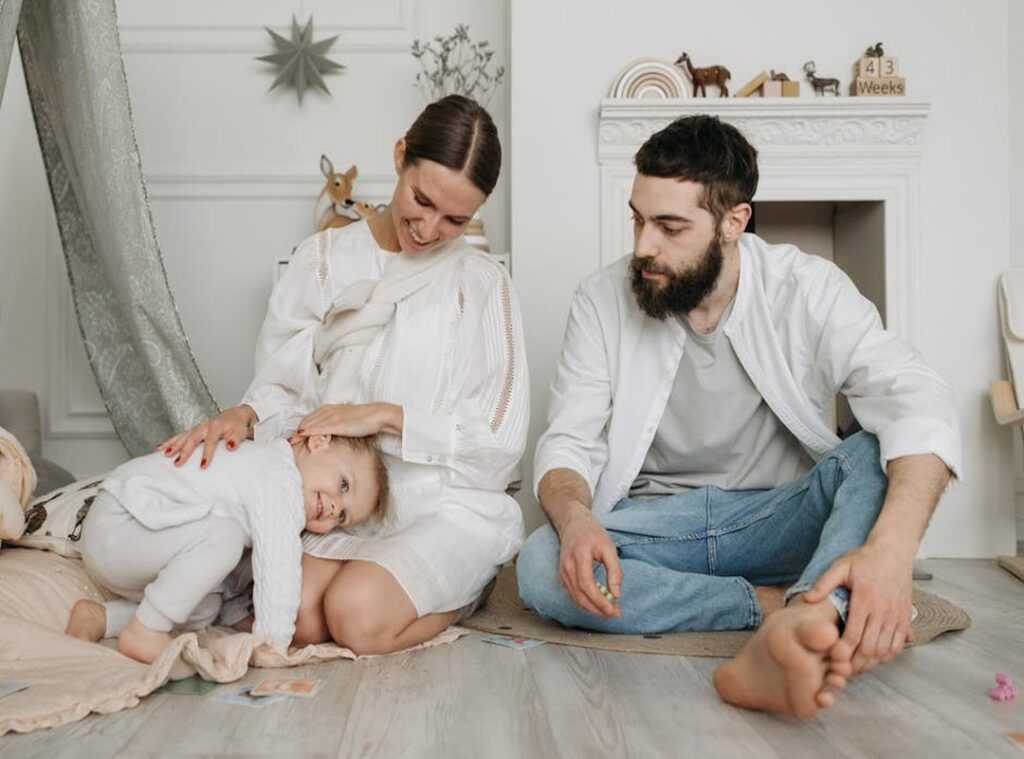
Behavior? It’s the **daily drama**. Ever felt like a circus ringmaster dealing with a series of unpredictable acts, some heartwarming, others frustratingly wild? Yeah, same. But can we transform this chaos into a harmonious symphony of positive interactions? Let's examine that.

### The Eternal Question: Why Act Out?

First off, **why do kids misbehave**? Hunger? Boredom? Maybe they’re just mirroring your bad habits (Ouch, self-reflection can be tough). But let's face it, even us grown-ups need a break sometimes. Ever tried handling a tantrum when you're *hangry*? It’s enough to make you question your life choices.

#### **Techniques That Just Work.**

1. **Positive Reinforcement**:
   - Simple, right? Yet profound. When was the last time you gave positive feedback that wasn't about their **A+ report card**? "Hey, thanks for not arguing with your sibling," goes a long way.

   - **Baffling Insight**: Studies show that praising effort, not just results, boosts perseverance. Who knew?

2. **Creative Consequences**:
   - Forget the typical time-outs. Casual suggestion: Why not have a **silly hat punishment**? Wear the hat for a specified time as a humorous reminder to reconsider actions. Imagine the fashion horrors.
   - **Data Point**: 76% of adults report trying unconventional discipline methods with mixed—yet often positive—results.

3. **Reward Systems**:
   - Charts, stickers, or pebbles in a jar? You remember the thrill of collecting, don’t you?

   - **Interactive Element**: Create a reward menu (Ice cream night, extra 15 minutes of game time). The **catch** is they choose what they work for. Instant investment in their own behavior.

**But why not ask them directly?** Wouldn't they have the best insights into what might motivate them?

### FAQ: Is Bribery Okay?

- **Q: Isn't this bribery?**
- **A:** Well, yes, but no. Bribery is offering incentives to stop a meltdown (which is basically **crisis management**). Rewards are for *preemptively* encouraging good deeds. *Subtle difference, but crucial.*

### Table Time: The Cost-Benefit Analysis


      **Method**
      **Pros**
      **Cons**


      Positive Reinforcement
      Builds self-esteem, joy all around


 Needs consistency, can be tricky when you're tired   |
| Creative Consequences | Engages creativity, immediate feedback   | May be seen as a joke (which could backfire)         |
| Reward Systems       | Highly motivat

ional, promotes goal-setting | Can foster dependency on rewards                    |

### Shift to Imagination: The Storytelling Approach

Parents, get your **story caps on**. Instead of narrating how "Justin behaves because he's a good boy," weave in a tale where Justin the Brave saves the castle by making wise decisions (or not pulling the dog's tail). Suddenly, actions have consequence and **context**.

- **Random Thought**: Did you know that using stories to illustrate morals can improve recall and understanding of concepts by up to 40%?

**But why stories?** Because kids are human (surprising, I know). We all love narratives that resonate with our daily battles.

### Pseudo-Academic Rant: The Science of Habits

Ever heard of the habit loop? Cue, routine, reward. It’s the trifecta of behavior. Much like us adults craving a cup of coffee after the morning alarm buzz, kids need to loop their positive behaviors. The trick? Identify cues.

- **Example**: Cue: Returning from school, Routine: Eat a snack, Reward: 15 minutes of their favorite game.

- **Pro Tip**: Implementing this requires you to be almost as consistent as your Wi-Fi signal on a good day.

### Conversational Detour: Your Personal Experience

Honestly, I started using a reward system after reading a *random blog* (not-so-secret plug for personal validation). And, truth be told, it worked. Sort of. Mostly. **But isn't parenting about trial and error?**

#### Important Point to Consider...

- **Routine**: Are you consistent? Kids thrive with routine. And **sometimes**, even you need discipline. Calming, isn't it?

- **Example**: Daily reading time. Set a timer. No exceptions. Well, unless you're running late for an emergency pizza delivery for your own sanity.

### The Importance of Gratitude

In the whirlwind of behavioral management, gratitude is often neglected. Ever thought about how **saying thank you** can build a positive cycle? It’s not just about etiquette. It’s about recognizing effort and fostering a culture of kindness.

- **Simple Step**: Keep a gratitude journal. Write down those simple, happy moments you notice in your kids. Share them. Wishful thinking or not, it might just turn into a family tradition.

### Unexpected Conclusion: The Delight of Imperfection

To wrap up (or avoid doing so neatly), remember: **perfection isn't the goal**. It's about progression and finding joy in small victories. Like the time your toddler shared a toy without being prompted, or when they remembered to *not* flush their socks down the toilet. Celebrate these quirks.

Because, after all, isn’t the essence of parenting a beautiful chaos?

The end. Or maybe just the beginning. Who’s to say?
Valdanie Prattero brings a thoughtful and family-centered voice to What U Talking Bout Family, helping shape its warm perspective on parenting, child development, and meaningful family connections. With a focus on honest storytelling and modern parenting conversations, Valdanie adds a caring presence that reflects the heart of the platform.
We use cookies to make your experience on What U Talking Bout Family smoother, more personal, and more family-friendly. By continuing to browse our site, you agree to our use of cookies to help us share better parenting stories, family insights, and helpful content tailored to your visit.


 Valdanie Prattero brings a thoughtful and family-centered voice to What U Talking Bout Family, helping shape its warm perspective on parenting, child development, and meaningful family connections. With a focus on honest storytelling and modern parenting conversations, Valdanie adds a caring presence that reflects the heart of the platform.