


Handing your child a tablet for a moment’s peace can feel like a betrayal. You know it, I know it. Then comes that wave of guilt about screen time kids.
Are you ruining their brains? Or maybe you’re just doing what you have to in order to survive the chaos of modern parenting.
Here’s the thing: we’re all in this together. The advice out there? Confusing and often contradictory.
You hear “limit screen time,” then “it’s educational.” Which is it? It’s a mess. This article?
It’s going to cut through the noise.
Together, let’s find a balanced, realistic approach that actually works for your family. I’m not here to judge. I’ve been there, too.
Let’s focus on quality, not just numbers. We’ll look at fostering connection over strict restriction. It’s all about a clear, reassuring path forward.
Screen Wars: Navigating Screen Time for Kids
I get it. Screen time feels like the new battleground for us parents. Everywhere you look, there’s another glowing rectangle demanding attention.
Completely avoiding them? A fantasy, if you ask me. Let’s be real: screens are as much a part of our environment as air.
Sure, there’s no denying the parental fears about development and social skills. Are we turning our kids into tech zombies? It’s okay to worry.
We all do.
But let’s not frame this as a battle to win. It’s not about total prohibition. Rather, it’s about integrating screens into family life without losing our sanity.
How do we do that? By shifting our mindset. Instead of “no screens,” think “managed screens.” Kids aren’t going to stop living in a digital world.
Maybe. But it’s true.
Why should they? The key is balance. Sound like a cliché?
And look, you’re not alone in this. Many of us struggle with screen time management. Feeling overwhelmed is okay.
It’s normal. Check out some co-parenting tips for blended families for more advice about balancing these modern challenges. Let’s support each other instead of stressing.
After all, we’re in this together.
Not All Screen Time is Created Equal: Passive vs. Active
Let’s talk about screen time for kids. It’s everywhere, and not all of it is the same. Counting minutes on a screen doesn’t tell the whole story.
The quality matters just as much.
Passive Screen Time is a killer. You know what I mean (mindless) scrolling and endless auto-play videos. It’s the digital equivalent of junk food. There’s no real interaction involved; you just consume without thinking. Kids can get sucked into it for hours. And it’s not just kids, is it? Parents are guilty too.
In contrast, Active Screen Time is the good stuff. Video chatting with family, diving into educational apps, or creating digital art changes the game. These activities build connection, creativity, and genuine learning.
Engaging with screens like this allows for problem-solving and even bonding.
But you might wonder. What’s the difference really? Here’s a simple way to think about it: visualize your toddler watching YouTube shorts versus using an interactive storybook app.
The first is passive; the latter is active and engaging. Same goes for older kids or even us adults (ever engaged in a family Minecraft session?).
Now, a simple comparison:
| Age Group | Passive Example | Active Example |
|---|---|---|
| Toddler | YouTube shorts | Interactive storybook app |
| Teen | Scrolling social media | Online coding class |
Getting the right balance is key. Understanding these differences is key for better parenting choices. Look, I’m not saying all passive engagement is bad, but we need to be more mindful.
The American Psychological Association weighs in on these concerns, especially for screen time kids. It’s worth considering the impact of what kind of screen time our kids engage in. It’s about shaping healthier interactions and, ultimately, healthier kids.
Screen Time Kids: Navigating Age-Appropriate Guidelines
When it comes to screen time for kids, let’s get real. I don’t believe in rigid rules. Kids are unpredictable, and so are their needs (and ours).
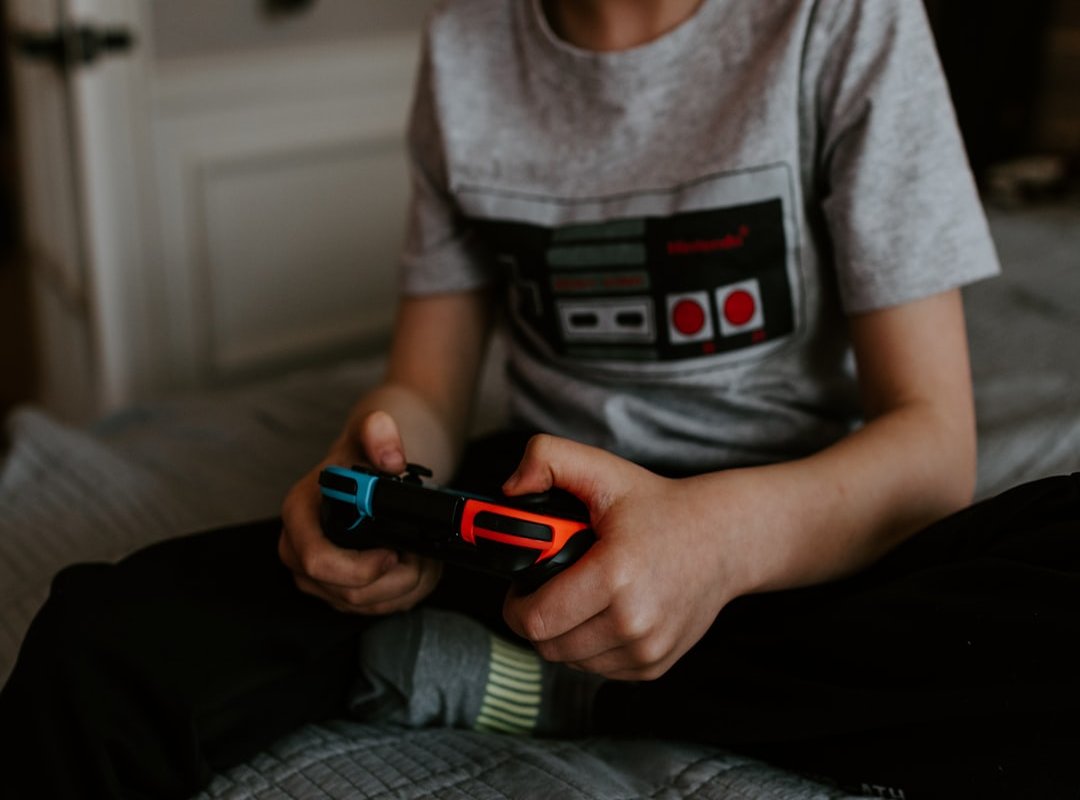
Instead of strict guidelines, let’s think of these as starting points.
For Toddlers (Under 2): Don’t stress about screens being the villain. It’s about the quality of interaction. Use video calls with relatives as a chance for bonding, but always be there. That’s a no-brainer, right?
For Preschoolers (2-5): This is where you emphasize co-viewing. Sit with them during those educational shows. Set boundaries, sure, but who doesn’t need some unplugged play? It’s non-negotiable. Paint, run, build (screens) can wait.
For School-Aged Children (6+): Chat with them about a family media plan. Balance their screen time with homework, friends, and good old physical activity. Remember teaching them digital citizenship isn’t optional. It’s the new street smarts.
Does any of this sound too much like helicopter parenting? Maybe. But there are pros and cons to helicopter parenting.
Screen time isn’t the enemy. It’s how we use it. Kids need guidance, not guilt trips.
We’ve got to be flexible, realistic, and a bit forgiving (both to them and ourselves).
So, what’s your take? Are we being too lenient, or is this the balance we need? You know your child best, and that’s your superpower.
Trust it.
Crafting a Healthier Digital Home: Simple Tips
Let’s be honest: managing screen time for kids is a battle. I know it firsthand. You say “just five more minutes” and suddenly it’s dinner time.
So, what do we do about it? We model the behavior we want to see. Seriously.
Put your phone down during family time. Kids notice everything. If you’re glued to your screen, they’ll think it’s okay to do the same.
Now, let’s talk about creating tech-free zones. Bedrooms should be for sleeping, not scrolling. Make a rule: no screens in the bedroom.
Dock all devices in the kitchen during dinner. It’s a game changer. Trust me, you’ll have conversations you didn’t know you were missing.
Ever thought of co-viewing as a connection tool? Watching a show or playing a game with your child isn’t just fun. It’s a chance to talk about themes and ideas.
Use it. It’s like starting a book club at home. You’ll be surprised at the takeaways your kids have.
And hey, encourage alternative activities. We all need a break from screens. Try a family hike, cooking a meal together, or even a board game night.
These activities build connections and memories. Plus, they’re a lot more fun than you’d think.
Pro tip: Balance is key. It’s not about banning screens entirely. It’s about teaching moderation and being present.
Your kids will thank you for it. And you’ll feel better too.
Balance in a Digital World
Feeling overwhelmed by screen time kids demands? You’re not alone. But now, you’ve got a plan that’s practical and guilt-free.
Focus on connection and quality, not impossible rules. It’s not about cutting them off completely; it’s about teaching balance and enjoying screen-free moments together.
Why does this work? Simple. It’s about setting habits that fit your family, not fighting constant battles.
Start this week. Have a conversation with your family about one new tech-free time you can all enjoy.
Let’s be real. You want confidence, not chaos. And this approach delivers just that.
Ready to reclaim your peace of mind? Start that conversation today. Make it happen.
You’ll thank yourself later. You’re in control now. So, what’s your next step?
 Founded by Zayric Droshar, What U Talking Bout Family is guided by a warm, thoughtful vision centered on modern family life. With a focus on parenting spotlight stories, child development insights, family growth, and honest parenting dialogues, Zayric shaped the platform as a welcoming space where families can find encouragement, perspective, and meaningful everyday inspiration.