

You want more than quick check-ins at the dinner table—you want a home where everyone feels heard, understood, and valued. But too often, families slip into autopilot. Busy schedules, digital distractions, and unspoken expectations create misunderstandings, emotional distance, and conflict that quietly chips away at connection. This guide is designed to change that. Rooted in proven family dynamic principles and real-life parenting scenarios, it offers practical, actionable strategies you can start using right away. By focusing on healthy family communication, you’ll learn how to strengthen trust, deepen understanding, and build a lasting communication blueprint that supports your family’s emotional well-being.
The Foundation: Why Your Words Shape Their World
Communication is the emotional architecture of a family. Like beams in a house, every sentence either strengthens the structure or creates hairline cracks. When conversations are tense, dismissive, or sarcastic, children don’t just hear noise; they internalize meaning. Over time, that tone shapes safety, self-esteem, and resilience.
Here’s the frustration: many parents feel unheard themselves. After a long day, patience thins, voices sharpen, and suddenly everyone is talking but no one feels understood. It’s exhausting. Yet consistent, positive patterns—clear expectations, calm corrections, praise—help children develop a secure attachment style, meaning they trust caregivers will respond reliably. Research from the American Psychological Association links supportive communication with stronger emotional intelligence and coping skills in children.
Still, words are only half the story. Tone, posture, eye contact—these nonverbal cues often shout louder than lectures (kids are basically tiny lie detectors, like something out of a Pixar movie). An eye roll can undo a compliment.
So try a communication audit. Notice the emotional temperature at dinner. Are interruptions common? Is encouragement rare? Healthy family communication begins with awareness, then small, steady shifts. Pro tip: record one conversation and reflect on it later. Awareness builds change.
Strategy 1: Master the Art of Active Listening

Active listening isn’t just staying quiet while your child talks. It’s the deliberate skill of hearing the words, noticing the tone, and recognizing the emotion underneath. Psychologists describe it as reflective communication—responding in a way that shows you truly understand both content and feeling (Rogers & Farson, 1957).
Back in 2020, when many families spent months at home together, researchers noted a sharp rise in conflict—but also in stronger bonds when parents practiced intentional listening (APA, 2021). The difference often came down to one simple framework: Listen–Validate–Inquire.
1) Listen without interrupting (yes, even when you’re tempted to fix it).
2) Validate: “That sounds really frustrating.”
3) Inquire: “Can you tell me more about that?”
Common pitfalls? Jumping straight to solutions, dismissing feelings (“It’s not a big deal”), or hijacking the story with your own school memories. (This isn’t your reboot episode.)
Imagine your child says, “My friend ignored me today.” Passive hearing replies, “Just ignore them back.” Active listening says, “That must have hurt. What happened?” One shuts the door; the other builds healthy family communication.
Pro tip: Pause three seconds before responding. It feels long—but it changes everything.
Strategy 2: Shift from Blame to Connection with “I” Statements
When tension rises at home, the words we choose can either build a wall or open a door. An “I” statement is a communication tool that helps you express feelings without triggering defensiveness. Instead of accusing, you describe your emotional experience.
Here’s the formula:
I feel [emotion] when [specific behavior happens] because [the impact it has on you].
Now let’s compare.
Option A: The Blame Approach
“You never help clean up!”
This “You” statement assumes intent and invites a counterattack (cue the eye roll and instant debate).
Option B: The Connection Approach
“I feel overwhelmed when toys are left out because it feels like all the cleanup falls on me.”
This shifts the focus from accusation to impact.
See the difference? One starts a fight. The other invites teamwork.
Some argue that “I” statements sound scripted or overly soft. But research in conflict resolution shows that non-blaming language reduces defensiveness and increases cooperation (Gottman Institute). In other words, clarity beats criticism.
Used consistently, this method strengthens healthy family communication and creates space for collaborative problem-solving. It turns everyday friction into growth moments.
For more practical tools, explore navigating sibling rivalry with empathy and structure.
Conflict in families isn’t a sign you’ve failed; it’s often a sign that growth is trying to happen. Back in 2020, when many families were suddenly together all day, tensions rose—but so did opportunities for deeper understanding. When we reframe disagreements as invitations to connect, we teach resilience, empathy, and healthy family communication.
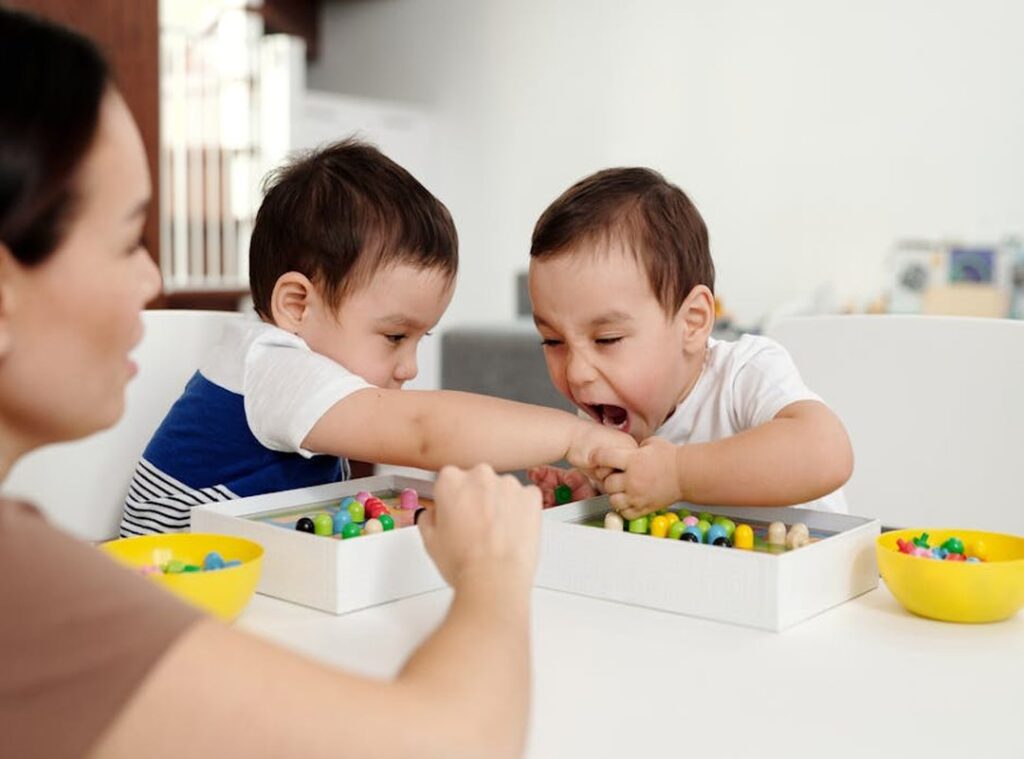
For toddlers and preschoolers, big emotions arrive fast. Validate first: “You’re so angry the block tower fell!” Then set simple, firm boundaries. Their brains are still developing self-regulation, a term for managing feelings and behavior.
With school-aged kids, shift toward collaboration. After a few calm minutes, ask, “What’s one idea we can try?” Problem-solving builds executive function, the mental skills that guide planning and decision-making.
Teenagers, especially over the past decade of constant social media, crave respect. Say, “Help me understand your point of view.” You may disagree, but acknowledging perspective lowers defensiveness.
• Pause before reacting; even 30 seconds can reset tone.
Conflict handled with curiosity today becomes trust tomorrow. Over time, these small, consistent responses reshape family culture, proving that arguments aren’t detours but stepping stones toward stronger, more connected relationships. Growth rarely happens without a little friction and reflection. And patience too.
Your First Step Toward a More Connected Family
You want a more connected, emotionally strong family—and that goal is absolutely within reach. Real change doesn’t require grand speeches or perfect parenting. It begins with small, intentional moments rooted in healthy family communication. When you choose to truly listen or speak with empathy, you begin closing the gap that once felt so wide.
Disconnection can feel heavy and discouraging, but it can be reversed—one honest conversation at a time.
Start today. Choose just one tool: practice active listening or use a simple “I” statement with a family member. Try it once. That single moment could be the first step toward the closeness you’ve been hoping for.
 Founded by Zayric Droshar, What U Talking Bout Family is guided by a warm, thoughtful vision centered on modern family life. With a focus on parenting spotlight stories, child development insights, family growth, and honest parenting dialogues, Zayric shaped the platform as a welcoming space where families can find encouragement, perspective, and meaningful everyday inspiration.