


The Morning Blueprint: A Step-by-Step Action Plan
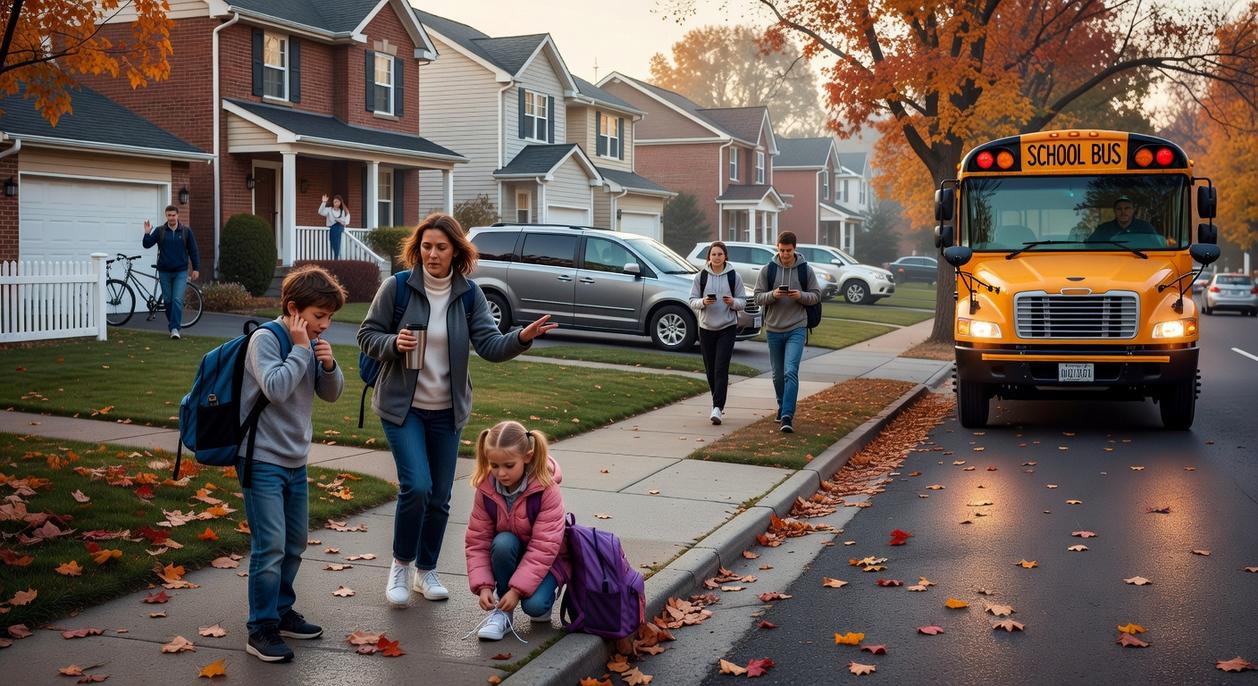
Mornings don’t have to feel like a daily fire drill. When you break them into clear, repeatable blocks, kids know what to expect—and that predictability reduces stress for everyone (yes, even you). Think of this as a practical reset button for your household.
The Wake-Up Call
A consistent wake-up time sets your child’s internal clock, also known as the circadian rhythm—the body’s natural sleep-wake cycle. According to the CDC, consistent sleep schedules improve mood, focus, and overall health in school-aged children.
Instead of a blaring alarm, try a sunrise clock that gradually brightens the room or soft music that gently nudges them awake. Give kids a five-minute buffer to stretch and adjust before getting out of bed. That small pause can prevent the “WHY IS IT MORNING?” meltdown (we’ve all seen it).
Consistency here is KEY. Same time. Every school day.
The “Get Ready” Sequence
Kids get sidetracked because mornings lack structure. The fix? A simple, non-negotiable order:
- Use the bathroom
- Get fully dressed (no hanging out in pajamas)
- Make the bed
Making the bed might seem minor, but it creates a quick “first win.” Research from the National Sleep Foundation suggests tidy sleep spaces can improve evening wind-down routines, too.
Some argue that strict sequences feel rigid. Fair point. But structure actually creates freedom—it reduces decision fatigue (the mental drain from too many choices). When kids know what comes next, they move faster with less prompting.
Post the list where they can see it. KEEP IT VISIBLE. KEEP IT SIMPLE.
Pro tip: Use a small checklist they can physically mark off. Completion builds momentum.
The Fueling Station: A No-Screens Breakfast
Breakfast fuels learning. A protein-rich option—like eggs, yogurt, or nut butter—helps stabilize blood sugar and maintain focus, according to Harvard Health Publishing.
The rule: NO SCREENS. No phones, tablets, or TV.
Some families rely on screens to keep things calm. Understandable. But devices distract from mindful eating and reduce meaningful connection. Even a five-minute conversation improves communication habits over time.
Keep meals simple. This isn’t a cooking show (unless your kitchen secretly is).
The Final Polish
Last steps: brush teeth, wash face, grab the pre-packed backpack and lunchbox from their designated spot.
Designated spot is not optional. LOST SHOES = LOST MINUTES.
If you’re looking for more school morning routine tips, remember: preparation the night before makes this final stretch smooth and drama-free.
Mornings don’t have to feel like a race against the clock. If you’ve been searching for a way to create a smoother, more efficient start to the day, that goal is completely within reach. An organized morning isn’t about perfection—it’s about intention.
The real drain isn’t just running late. It’s the repeated stress of missing shoes, unfinished homework, and last-minute scrambles that set a tense tone for the entire family. That daily chaos adds up, leaving everyone frustrated before the day even begins.
The good news? A consistent school morning routine tips approach works because it blends preparation with teamwork. When kids know what’s expected and have a role in getting ready, they feel empowered. When evenings include small steps of preparation, mornings become calmer, more predictable, and far less overwhelming.
You wanted a better system for your mornings—and now you know it’s possible.
Start Small, Win Big This Week
Don’t try to overhaul everything at once. Start with just one night-before habit this week—lay out clothes, prep lunches, or organize backpacks. Build from there.
A peaceful morning sets the tone for your child’s entire school day—and your sanity matters too. Take that first small step tonight and begin creating mornings your family can actually enjoy.
 Valdanie Prattero brings a thoughtful and family-centered voice to What U Talking Bout Family, helping shape its warm perspective on parenting, child development, and meaningful family connections. With a focus on honest storytelling and modern parenting conversations, Valdanie adds a caring presence that reflects the heart of the platform.