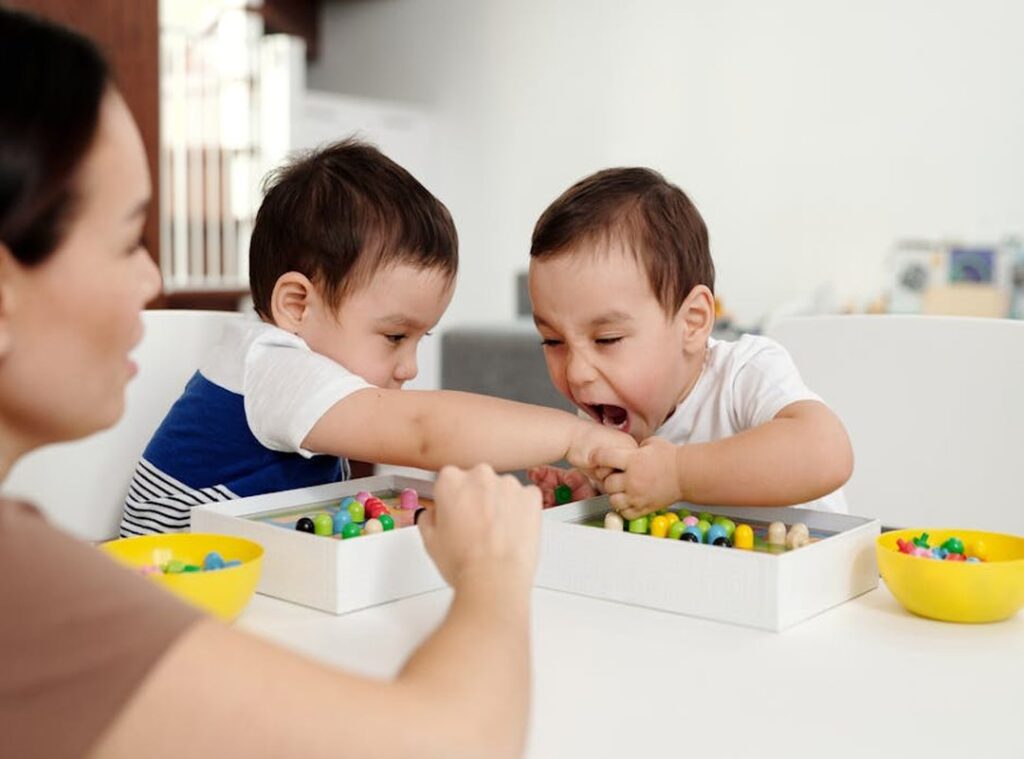

Parenting doesn’t come with a manual—but understanding family roles and behavior can change everything. If you’re here, you’re likely looking for real conversations about parenting, deeper insight into family dynamics, and practical guidance that actually fits modern life. This article is designed to meet that need by exploring how family roles and behavior shape communication, influence child development, and impact the overall growth of your household.
We draw on established child development research, evidence-based parenting strategies, and insights from family psychology experts to ensure the guidance shared here is both thoughtful and reliable. Instead of offering surface-level advice, we take a closer look at everyday interactions, spotlight authentic parenting experiences, and break down what truly supports healthy development.
Whether you’re navigating new challenges or simply want to strengthen your connection at home, this guide will help you better understand family roles and behavior—and how small shifts can lead to meaningful growth.
Modern family life is busy and stressful, often pushing connection to the bottom of the list. This guide offers a clear, actionable blueprint for building stronger bonds at home. Instead of vague advice, you’ll get practical steps that turn everyday moments—dinner, school runs, even disagreements—into opportunities for growth.
By applying these proven strategies, you create mutual respect, trust, and calmer communication. That means fewer power struggles and teamwork (yes, even on Monday mornings). When family roles and behavior are understood and supported, everyone feels seen and valued.
Stronger emotional security
More joyful daily interactions
The payoff? A happier, resilient home.
Defining the Goal: What a Thriving Family Unit Looks Like*
It’s easy to say you want a “happy family.” It’s harder—and more useful—to define what that actually looks like. A thriving family isn’t built on vague vibes; it’s built on observable habits.
Pillar 1: Mutual Respect and Validation. This means listening to understand, not reload your argument. When a teen says, “You don’t get it,” a respectful response sounds like, “Help me understand.” Research shows children who feel heard develop stronger emotional regulation skills (American Psychological Association).
Recommendation: At dinner, let each person speak without interruption for two minutes. No cross-talk. Just listening. (Yes, even if you disagree.)
Pillar 2: Open and Honest Communication. Create a home where mistakes are discussed, not weaponized. Think of it as psychological safety—a term coined by Harvard professor Amy Edmondson—where people feel safe to take interpersonal risks.
Pillar 3: Consistent Support and Encouragement. Celebrate effort, not just outcomes. Applaud the audition, not only the callback.
Pillar 4: A Shared Sense of Belonging and Identity. Strong families understand their family roles and behavior while still seeing themselves as a team. Shared rituals—movie nights, Sunday pancakes—build that identity (like your own low-budget Avengers squad).
Define it clearly. Then practice it daily.
The Art of Family Dialogue: Communication That Builds, Not Breaks
This is the most critical, actionable part of improving family dynamics. Think of communication as the foundation of a house: if it’s cracked, everything above it wobbles. If it’s solid, the structure holds—even during storms.
Technique 1: Master “I Feel” Statements
Arguments often start like a game of verbal dodgeball—blame flying back and forth. “I feel” statements act like safety goggles. They protect the conversation.
Use this template: I feel [emotion] when [specific action] because [reason].
For example: “I feel overwhelmed when the kitchen is left messy because I need order to relax after work.” Notice there’s no accusation—just clarity. The goal isn’t to win; it’s to be understood. (And yes, that’s harder than it sounds.)
Some argue this feels scripted or unnatural. But like training wheels on a bike, structure builds balance before freedom.
Technique 2: Practice Active Listening
Active listening is like holding up a mirror. The “repeat back” method works simply: “So what I hear you saying is…” Then paraphrase.
When a teen says, “You never trust me,” a parent might respond, “So what I hear you saying is you want more independence.” Suddenly, the temperature drops. Being heard feels like oxygen.
Critics say repeating back sounds robotic. In practice, it feels validating—especially between parents and children.
Technique 3: Implement the “Family Huddle”
Think of this as a team locker-room talk. A short, 10-minute weekly check-in to review schedules, upcoming challenges, and celebrate small wins.
Consistency beats intensity. Small talks prevent small sparks from becoming wildfires. Even superheroes had team meetings (Justice League, anyone?). Pro tip: keep it brief and predictable so everyone shows up ready.
Beyond the To-Do List: Creating Rituals That Strengthen Bonds

Positive interactions don’t just “happen.” They’re built through intentional, repeated actions—what we call rituals. A ritual is a meaningful habit done consistently, like Friday pizza night or bedtime storytelling. While some argue that busy schedules make rituals unrealistic (and yes, life gets chaotic), research shows that predictable family routines are linked to stronger emotional security in children (American Psychological Association).
The Power of the Family Meal
Eating together—even three times a week—with a strict no-screens rule creates space for real conversation. Studies from Columbia University found that teens who regularly eat with family are less likely to engage in risky behaviors. It’s not about gourmet food (cereal counts). It’s about eye contact, shared stories, and laughter.
Develop Unique Family Traditions
- Pancake Saturdays
- Annual movie marathons
- A quirky birthday breakfast ritual
These small acts shape your family roles and behavior in subtle but powerful ways. Traditions become emotional anchors (think Wakanda’s heart-shaped herb—symbolic and strengthening).
Dedicated One-on-One Time
Group bonding matters, but individual time builds security. Even 20 minutes alone with each child weekly reinforces identity and trust. For deeper insight, explore how healthy communication strengthens family bonds.
Rituals aren’t extra tasks—they’re the glue.
Turning Conflict into Connection: A Guide to Healthy Disagreements
First, let’s normalize this: conflict is not a red flag; it’s a sign that people care enough to speak up. As one family therapist put it, “It’s not the conflict that damages relationships. It’s contempt.” In other words, disagreements are healthy in a family—the key is how they are handled.
So, what does a “fair fight” look like? Start with non‑negotiables: no name-calling, no yelling, stick to the specific problem, and take a break if emotions spike. For example, instead of “You never listen,” try, “I felt ignored when I was interrupted.” See the difference? One attacks; the other explains.
Then comes the repair attempt—a term popularized by Dr. John Gottman, whose research found that successful couples make and accept repair attempts during conflict (Gottman Institute). A simple “I’m sorry. Can we reset?” can rebuild connection. After all, the relationship should always matter more than winning the argument.
Your next step starts now. You already have the toolkit to strengthen your family’s connections, and in my opinion, that’s empowering. Yes, daily chaos is real, carpools, deadlines, sibling squabbles, but meaningful connection is still possible. The secret isn’t grand gestures; it’s small, steady actions. When you improve communication, create simple rituals, and handle conflict with care, you reshape family roles and behavior. So, what will you try first? (Start small.) Choose one strategy this week:
- Practice “I Feel” statements during tense moments
- Schedule a 15-minute Family Huddle
Commit fully, even if it feels awkward. Consistency builds happy families.
Strengthening Your Family Starts Today
You came here looking for clarity on navigating everyday challenges within your household—and now you have practical insight into how family roles and behavior shape connection, communication, and growth at home.
When roles feel unclear or behavior patterns go unchecked, tension builds. Misunderstandings grow. And the family bond can start to feel strained instead of supportive. The good news? With awareness and intentional action, those patterns can shift in powerful ways.
Start by having one honest conversation this week about expectations in your home. Observe how family roles and behavior show up in daily routines. Make small, consistent adjustments that reinforce respect, empathy, and teamwork.
If you’re ready for deeper guidance and real-life parenting spotlight stories that reflect what modern families are facing right now, explore more of our resources. Thousands of parents turn to us for relatable insight and practical tools that actually work.
Stronger families don’t happen by accident—they’re built with intention. Take the next step today and start creating the home dynamic your family deserves.
 Berthalizan Adams contributes a compassionate and insightful touch to What U Talking Bout Family, supporting its mission to explore family dynamics, parenting growth, and everyday moments that matter. Through a balanced and uplifting approach, Berthalizan helps create a space where families feel understood, inspired, and connected.