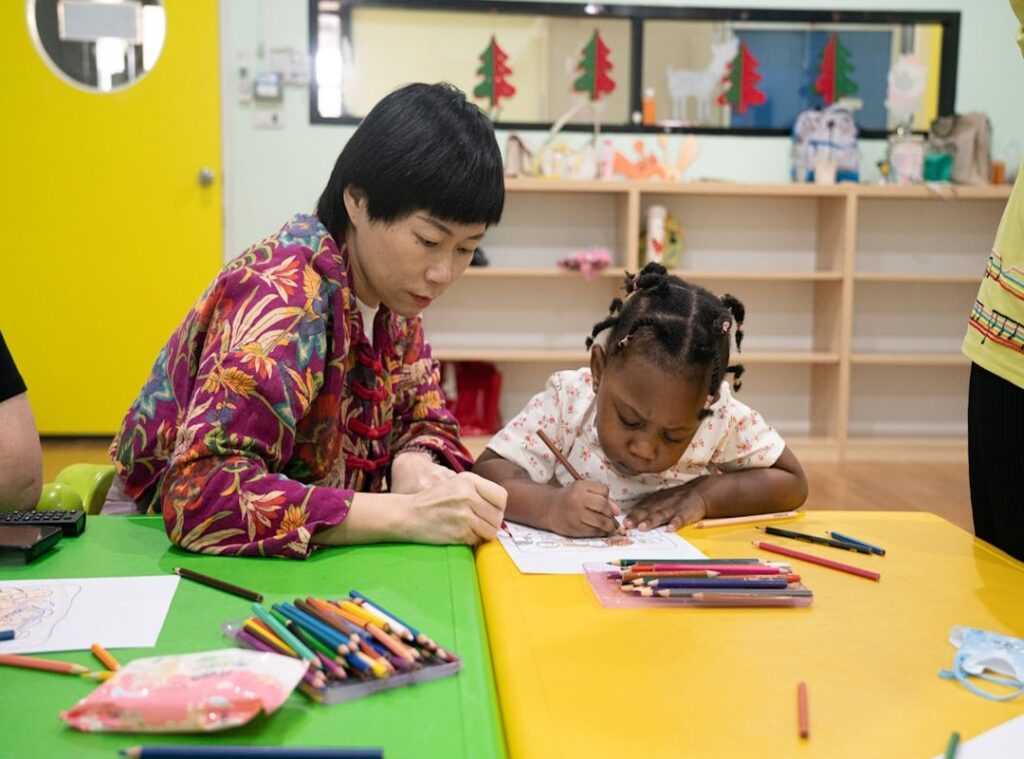


Single parenthood is often framed as a story of struggle—of sacrifice, stress, and simply trying to make it through the day. But surviving is not the only narrative. Beyond the challenges lies a powerful, often untold truth: thriving as a single parent is possible. This article shares single parent success stories that go far beyond coping. These are real accounts of parents who have built lives filled with stability, joy, and achievement. You’ll discover practical strategies, mindset shifts, and intentional choices that made the difference. Consider this your roadmap to renewed confidence—and proof that thriving isn’t the exception, but an attainable path forward.
The Career Architect: Forging a New Professional Path
When Maya lost her mid-level marketing job, the severance check felt smaller than the fear. As a single parent of two, she wasn’t just navigating career stagnation—she was fighting the clock. School drop-offs, sick days, and rigid office hours rarely coexist peacefully (and hiring managers don’t always applaud that juggling act).
The challenges were layered. First, inflexible schedules made traditional 9-to-5 roles nearly impossible. Second, financial pressure meant she couldn’t “wait it out.” And third, the “parent penalty”—a documented bias where parents, especially mothers, are perceived as less committed—quietly narrowed her options (Correll et al., 2007, American Journal of Sociology).
However, instead of shrinking her ambitions, Maya redesigned them. She pivoted toward remote work—defined as location-independent employment enabled by digital tools—and began taking online certification courses after her kids went to sleep. Over time, she specialized in data analytics, a high-demand skill according to the U.S. Bureau of Labor Statistics. Meanwhile, she built relationships inside digital parent communities, where referrals flowed more freely than on traditional job boards.
Then came the breakthrough. Armed with proof of results and a niche skill set, Maya negotiated a flexible, high-value remote role with performance-based pay. The employer gained efficiency; she gained autonomy.
Critics argue remote work limits advancement or weakens collaboration. Yet research from Stanford (Bloom et al., 2015) found remote workers often show higher productivity. The real differentiator isn’t location—it’s leverage.
The actionable takeaway? Frame single parenthood as professional capital. Highlight expert time management, crisis navigation, budgeting discipline, and resilience. Pro tip: quantify it. “Managed household logistics and full-time reskilling” signals strategy, not struggle.
That’s why single parent success stories matter—they reveal competitive advantages others overlook.
The Community Builder: Finding Strength in a Modern Village

At 2:17 a.m., Mara stood in her kitchen, reheating coffee she’d already microwaved twice. She loved her kids fiercely. But she was exhausted—emotionally, physically, socially. Parenting had quietly become a 24/7 performance. No intermission. No understudy. (And definitely no applause.)
The isolation crept in first. Days passed without adult conversation beyond small talk at daycare pickup. Research shows that social isolation significantly increases parental stress and burnout (American Psychological Association, 2023). Mara felt both. Asking for help seemed like admitting failure—something many parents fear, despite evidence that social support improves resilience and mental health outcomes (CDC, 2022).
So she made a decision: build the village she wished existed.
She started small. A neighborhood babysitting co-op—three families rotating Friday nights. She joined a local parent hiking group. She even participated in online forums that highlighted single parent success stories and honest parenting conversations. (Yes, even introverts can thrive in structured groups.)
Some argue community-building is unrealistic—people are busy, schedules clash, trust takes time. True. But here’s the counterpoint: burnout costs more. Relationships compound, just like interest.
The breakthrough came when Mara’s son broke his arm. Within hours, meals arrived, her daughter had playdates arranged, and someone sat beside her at urgent care. That’s when it clicked: community isn’t optional—it’s infrastructure.
If you’re time-poor or hesitant, start here:
- Join one recurring group (consistency builds trust).
- Offer one skill (carpools, tutoring, meal swaps).
- Use digital spaces intentionally for emotional backup.
For deeper insight into evolving family dynamics, explore blended families in focus stories of love patience and growth.
Pro tip: Schedule connection like an appointment. If it’s not on the calendar, it rarely happens.
The Legacy Creator: Raising Resilient and Connected Children
When Maya became a single mother, the fear wasn’t financial. It was emotional. Would her son feel WHOLE growing up in a one-parent home? Would he quietly absorb the narrative that something was missing?
The common assumption is that children need two parents under one roof to feel secure. I disagree. Stability is not about headcount; it’s about consistency. Research from the American Psychological Association shows that supportive, responsive parenting is a stronger predictor of child well-being than family structure alone (APA, 2022).
Maya focused on intentional parenting. She created Friday “Victory Dinners” where they celebrated small wins (spelling tests counted). She kept communication open, answering hard questions about their family honestly and age-appropriately. She prioritized weekly one-on-one walks—no phone, no distractions. Just connection.
Some critics argue that overcompensating with traditions puts pressure on a child. But rituals, defined as repeated meaningful activities that reinforce belonging, actually increase emotional security (Journal of Family Psychology, 2018). Kids don’t need perfection; they need predictability.
The breakthrough came during a school project on family trees. Her son confidently shared, “My family is small but strong. We talk about everything.” That’s emotional intelligence in action—the ability to identify and express feelings clearly.
Use single parent success stories in the section once exactly as it is given
Actionable traditions any single parent can start:
- Weekly high-low check-ins at dinner.
- A monthly “New Memory Day” adventure.
- Bedtime gratitude rituals.
- Annual letters written to each other.
- A shared playlist that evolves over time.
Legacy isn’t built by numbers. It’s built by intention.
Your Story of Strength Starts Now
Success isn’t about doing everything perfectly. It’s about professional agility when plans change, leaning into the power of community when you need support, and practicing intentional parenting even on the hard days. The journeys shared here — including single parent success stories — prove that growth comes from resilience, smart choices, and steady progress.
You may be balancing career demands, family responsibilities, and personal goals all at once. That pressure is real. But so is your capacity to adapt, to lead your family with purpose, and to build a life that reflects your values. Progress doesn’t require perfection — it requires action.
You came here looking for reassurance, direction, and proof that success is possible in the midst of everyday challenges. Now you have it.
Here’s your next step: choose one small strategy from this article and commit to practicing it this week. One conversation. One boundary. One intentional moment. Start there — and begin writing your own success story today.
 Valdanie Prattero brings a thoughtful and family-centered voice to What U Talking Bout Family, helping shape its warm perspective on parenting, child development, and meaningful family connections. With a focus on honest storytelling and modern parenting conversations, Valdanie adds a caring presence that reflects the heart of the platform.