


Some days it feels like you’re living from one meltdown to the next.
The tantrums. The defiance. The tears over the “wrong” color cup. You’re exhausted—and if you’re honest, a little unsure how to help your child (and yourself) handle these big emotions in a healthier way.
You’re here because you want real solutions, not just advice to “be patient.” You want to understand what’s actually happening inside your child and how to guide them through it.
This guide gives you a practical roadmap for toddler emotional regulation—with age-appropriate strategies that actually work in real life. Rooted in proven child development principles and everyday parenting experience, it focuses on connection before correction.
You’ll learn how to turn chaotic moments into opportunities for growth, resilience, and deeper family connection.
In-the-Moment Techniques: What to Do When Emotions Run High
By fostering emotional regulation in toddlers, parents can create a calmer family environment, complementing the practical strategies discussed in our article ‘Whatutalkingboutfamily the Life Hacks‘.
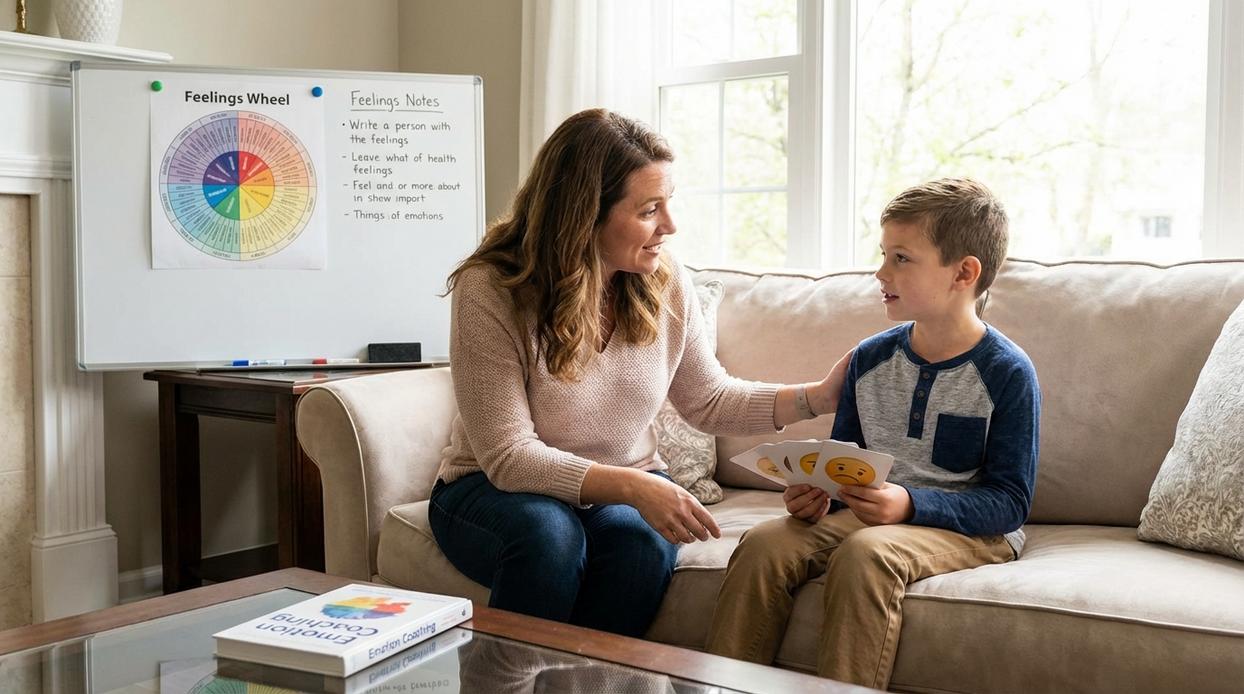
When emotions explode (and they will), your calm is the anchor. Co-regulation—when a child “borrows” your steady nervous system because theirs is overwhelmed—is your most powerful tool. Think of it as emotional Wi‑Fi: if your signal is steady, they can connect. Research in developmental psychology shows children learn self-regulation through repeated calm interactions with caregivers (Center on the Developing Child, Harvard University).
Some argue kids need to “cry it out” or “learn the hard way.” While independence matters, brain science tells us that high stress reduces a child’s ability to reason or learn in the moment. Teaching happens best after calm returns.
Get on Their Level
Kneel down. Soften your voice. Make gentle eye contact. Physical presence communicates safety faster than words (yes, even faster than that perfectly crafted lecture).
Validate the Feeling
Validation means acknowledging the emotion without approving the behavior.
“I see you’re really frustrated.”
Hold the Boundary
Boundaries create safety. Try:
“I see you are very angry that screen time is over. It’s okay to be angry, but it is not okay to throw the remote. I’m going to keep us safe by holding the remote now.”
Offer a Do-Over
Once calm: “Let’s try asking for a snack with a calm voice.”
This builds skills instead of shame—critical for toddler emotional regulation.
Simple Breathing Exercises
- “Smell the flower, blow out the candle.”
- “Dragon breaths” (big inhale, fiery exhale).
Pro tip: Practice breathing games when your child is already calm so they’re easier to use during storms.
And remember, basics matter. Nutrition impacts mood and focus—learn more about the role of nutrition in brain development for kids.
Raising Emotionally Healthy Children, One Feeling at a Time
You came here looking for real solutions—and now you have them. With a toolbox of proactive and in-the-moment strategies, you’re better prepared to guide your child through their biggest feelings instead of feeling overwhelmed by them.
The exhausting cycle of meltdowns doesn’t have to define your days. Those intense moments that once felt endless and defeating can become opportunities for growth. When you focus on understanding, connection, and skill-building, you’re not just stopping bad behavior—you’re nurturing toddler emotional regulation and raising an emotionally intelligent human.
This approach works because it meets your child where they are. It teaches them what to do with their feelings instead of shaming them for having them.
Now take the next step. Choose one proactive strategy—like creating a calm-down corner—and commit to trying it this week. Keep it simple. Progress, not perfection, is the goal. One feeling at a time, you’re building something that lasts.
 Valdanie Prattero brings a thoughtful and family-centered voice to What U Talking Bout Family, helping shape its warm perspective on parenting, child development, and meaningful family connections. With a focus on honest storytelling and modern parenting conversations, Valdanie adds a caring presence that reflects the heart of the platform.