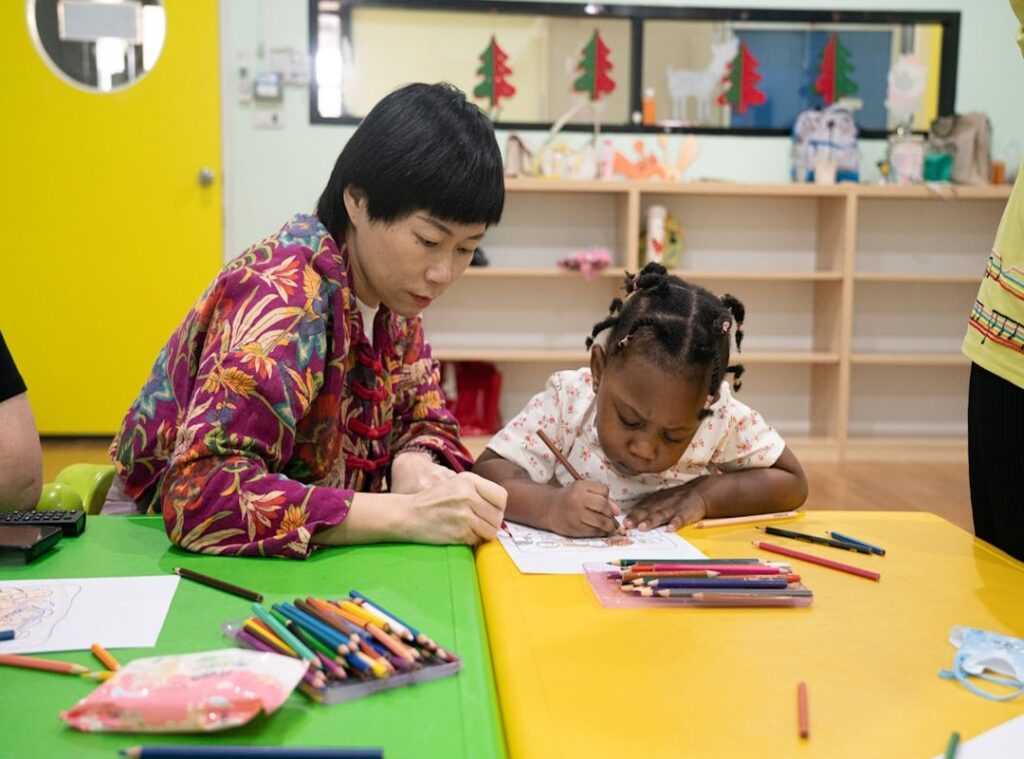


What Are Intergenerational Dynamics? (And Why They Matter Now More Than Ever)
At its core, intergenerational dynamics refers to the patterns of beliefs, communication styles, expectations, and emotional habits shared between age groups within a family. Think of it as the invisible thread connecting grandparents, parents, and children—shaping how they talk, solve problems, show love, and handle conflict. If a grandmother believes “children should be seen and not heard,” while a parent encourages open dialogue, that tension is intergenerational in action.
Why It Feels More Intense Today
We’re living longer than ever. According to the World Health Organization, global life expectancy has increased by more than 6 years since 2000 (WHO, 2023). That means four—and sometimes five—generations may interact regularly. At the same time, technology and cultural shifts move fast (faster than a trending TikTok sound disappears). The result? Wider generational differences in families in the section once exactly as it is given.
These gaps can cause misunderstandings—but they can also spark growth.
How This Shapes a Child
Children absorb family dynamics like sponges. A home where elders and parents collaborate builds security and belonging. A home filled with unresolved tension can create confusion about identity and self-worth.
Here’s the helpful part:
- Model respectful disagreement
- Share family stories and values openly
- Create space for children to ask questions
When generations listen instead of compete, children gain confidence, resilience, and a stronger sense of who they are (Harvard Center on the Developing Child, 2020). And that foundation lasts a lifetime.
Practical Strategies for Bridging the Generational Divide

Family tension often isn’t about love—it’s about approach. And when you shift the way you communicate, you gain calmer conversations, stronger trust, and fewer “here we go again” moments at the dinner table (we’ve all been there).
Lead with Curiosity, Not Judgment
Instead of reacting, ask. Curiosity lowers defensiveness and opens dialogue.
Replace criticism with questions like:
- “Help me understand your approach on this.”
- “Can you walk me through why that feels important to you?”
- “What worked for you when you tried that?”
When people feel heard, they soften. The benefit? You move from power struggles to problem-solving—faster and with less emotional fallout.
Establish Loving Boundaries with Clarity
Boundaries aren’t walls; they’re guidelines for respect. Clear, calm limits protect your parenting choices while preserving connection.
Try:
“We love that you want to help, and for now, we’re handling discipline this way.”
This approach affirms relationship first, then clarifies expectations. Over time, consistent boundaries reduce confusion and prevent repeated conflict—saving everyone emotional energy.
For deeper insight, explore understanding family dynamics roles boundaries and communication.
Focus on Shared Goals, Not Different Methods
Even amid generational differences in families, the core desire is usually the same: healthy, happy kids.
Reframe tension with:
“We all want the kids to be happy and healthy; let’s focus on that shared goal.”
Here’s how reframing shifts outcomes:
| Conflict Focus | Shared Goal Focus |
|---|---|
| “That’s wrong.” | “We both care about their well-being.” |
| Defensiveness | Collaboration |
| Short-term tension | Long-term unity |
Create “Connection Rituals”
Finally, build positivity on purpose. Cook a family recipe. Schedule a weekly video call. Share childhood stories.
These rituals create emotional deposits in the “family bank account” (yes, like relational savings). The payoff? More patience, more grace, and a family culture that feels supportive—not divided.
Building a Stronger Family, One Generation at a Time
Families don’t struggle because they lack love. They struggle because they experience generational differences in families that shape how each person sees the world.
You came here looking for a clearer way to understand those differences. Now you have a framework to recognize how values, communication styles, and life experiences influence the dynamics in your home.
While those differences can create tension, they’re also a powerful source of wisdom and resilience. The real strength of a family isn’t found in total agreement. It’s built through empathy, respectful communication, and healthy boundaries.
This week, take one small step. Ask a family member from another generation about their perspective on a minor issue—and listen with the goal of understanding, not correcting.
If you’re ready to reduce conflict and build deeper connections at home, start the conversation today. Stronger families aren’t built by accident—they’re built on purpose.
 Berthalizan Adams contributes a compassionate and insightful touch to What U Talking Bout Family, supporting its mission to explore family dynamics, parenting growth, and everyday moments that matter. Through a balanced and uplifting approach, Berthalizan helps create a space where families feel understood, inspired, and connected.