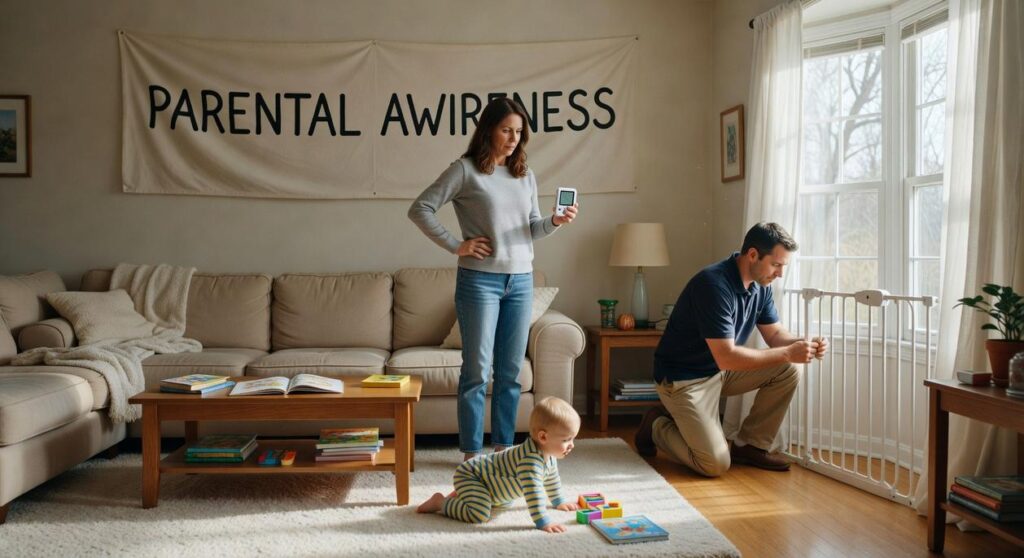
If you’re here, you’re likely looking for practical, age-appropriate guidance on talking to kids about mental health—without making it awkward, overwhelming, or scary. You want to support your child’s emotional well-being, answer tough questions with confidence, and create a home where feelings can be expressed openly and safely.
This article is designed to help you do exactly that. We break down why early conversations about mental health matter, how to tailor discussions by age and developmental stage, and what language builds trust instead of fear. You’ll also find actionable tips, real-life conversation starters, and warning signs to watch for.
To ensure accuracy and relevance, this guide draws on insights from child development research, licensed mental health professionals, and evidence-based parenting practices. Our goal is simple: give you clear, compassionate tools that make these conversations feel less intimidating—and far more impactful.
Starting the conversation about feelings can feel intimidating, especially when you worry about saying the wrong thing. Yet talking to kids about mental health builds trust, emotional vocabulary, and resilience. When children learn that feelings are normal, not scary, they grow more confident sharing struggles. In turn, you gain clearer insight into their world.
Instead of clinical labels, start with simple check-ins: “What was the best and hardest part of your day?” Over time, these small moments create psychological safety at home. As a result, kids are likely to seek support before problems escalate. Ultimately, you strengthen connection and well-being.
Defining Mental Wellness for Kids: More Than Just Being Happy
Mental wellness isn’t about smiling 24/7 (no one—not even superheroes—does that). It’s about having the skills to understand and manage all feelings: joy, sadness, anger, and worry included. When kids learn this early, they gain confidence, stronger friendships, and fewer emotional meltdowns over time. That’s the real win.
Think of emotions as visitors. They show up, stay for a bit, then leave. None are “bad.” The goal isn’t to lock the door—it’s to ask, “Why are you here?” This simple mindset makes talking to kids about mental health less scary and far more empowering.
Mental wellness for children rests on three pillars:
- Emotional awareness: naming what they feel
- Resilience: bouncing back after setbacks
- Healthy relationships: knowing when and how to ask for help
When kids build these skills, they don’t just cope—they thrive. And that’s a benefit that lasts well beyond childhood.
The “How-To” Guide: Age-Appropriate Mental Health Dialogues
For Preschoolers (Ages 3–5)
At this stage, keep it simple and concrete. Young children think in pictures, not psychology terms. Start by building basic emotion vocabulary: happy, sad, mad, scared, excited. A feelings wheel with expressive faces works wonders because it gives them something visual to point to (and sometimes pointing is easier than explaining).
Next, connect emotions to body sensations. You might say, “Your tummy feels tight. Maybe you’re feeling worried about the new school?” This teaches them that emotions live in the body, not just in their heads. Over time, they’ll begin to recognize patterns themselves.
Pro tip: Model it first. Say, “I feel frustrated because I can’t find my keys.” When they see you label feelings calmly, they learn it’s normal—not dramatic—to talk about them.
For Elementary Schoolers (Ages 6–10)
As kids grow, introduce coping strategies. In other words, give them tools—not just labels. Ask, “What’s something we can do that helps you feel calm when you’re frustrated?” Then brainstorm together: deep breathing, drawing, taking a break, or even squeezing a stress ball.
Additionally, use stories. When watching a movie, pause and ask, “Why do you think that character made that choice?” This creates emotional distance, which makes big topics feel safer to explore. (Yes, even animated movies count—Pixar basically runs an emotional masterclass.)
If you’re curious about broader influences shaping your child’s emotions, explore how social media influences todays parenting styles to understand the environment they’re growing up in.
For Pre-Teens & Teenagers (Ages 11+)
Now the conversations deepen. Stress, peer pressure, anxiety, identity—these are real and immediate. Shift from directing to listening. Instead of lectures, try: “I’ve noticed you’ve been quiet lately. How are things going with your friends?” Then pause. Let silence do some work.
Respect privacy, but keep the door open. Say, “You don’t have to tell me everything, but I’m here when you’re ready.” That balance builds trust.
Ultimately, talking to kids about mental health isn’t a one-time discussion. It’s an ongoing dialogue that evolves with their age—and your willingness to grow alongside them.
From Talk to Action: Everyday Activities That Nurture Mental Wellness
We talk a lot about mental health in theory. Fewer of us build it into Tuesday night dinner.
First, try the Rose, Bud, Thorn ritual. Each person shares a highlight (rose), something they’re looking forward to (bud), and a challenge (thorn). This simple structure normalizes emotional range—the idea that good and hard feelings can coexist. Research shows regular family meals are linked to lower rates of depression and risk behaviors in kids (CASA Columbia). Still, some argue structured sharing feels forced. Fair. But structure is often what makes honesty safer (awkward at first, powerful later).
Next, create a Calm-Down Corner. Not a timeout spot. Not a punishment chair. A regulation space with a soft blanket, sensory toys, or coloring books. Emotional regulation—the ability to manage big feelings without exploding or shutting down—is a learned skill, not a personality trait. Critics say kids should “just toughen up.” Yet neuroscience tells us the brain’s self-control systems are still developing well into adolescence (Harvard Center on the Developing Child). Support builds strength.
Then there are Mindful Moments. For little ones, try “Dragon Breathing”: inhale through the nose, breathe out fire. For older kids, use box breathing (4-4-4-4). Slow breathing activates the parasympathetic nervous system, reducing stress (American Institute of Stress). Pro tip: practice when calm, not mid-meltdown.
Finally, model it. Say, “I’m frustrated in traffic. I’m taking deep breaths.” talking to kids about mental health starts with letting them see yours—managed, not masked.
Knowing When to Listen Harder: Recognizing Signs Your Child May Be Struggling

First, watch for clear behavioral shifts: noticeable changes in sleep or eating patterns, pulling away from friends or favorite activities, falling grades, or persistent irritability. These are observations, not diagnoses—and spotting them early gives you the benefit of acting before small issues grow bigger (think of it as maintenance, not panic control).
Instead of interrogation, try observation. Say, “I’ve noticed you haven’t wanted to play soccer lately.” This lowers defenses and opens doors for talking to kids about mental health. Wouldn’t you rather they feel safe than judged?
If changes persist or disrupt daily life, seeking professional help shows strength, not failure.
Building a Family Culture of Openness and Well-Being
You don’t need a perfect script for talking to kids about mental health. You need consistency. When openness becomes a FAMILY VALUE, kids learn that feelings—big, small, messy—belong at the table.
The benefit? Less guesswork. More connection. Stronger resilience.
Simple rituals like “Rose, Bud, Thorn” (a highlight, a challenge, and something you’re looking forward to) build emotional vocabulary and trust over time. Research shows that regular family conversations improve children’s emotional regulation and coping skills (APA).
Why it works:
- NORMALIZES every emotion
- Builds lifelong confidence
Start tonight. One question can change everything.
Keep the Conversation Going at Home
You came here because you want to feel more confident talking to kids about mental health—and now you have practical ways to start, respond, and keep that dialogue open. You understand the signs to look for, the words to use, and how everyday moments can become safe spaces for honest conversations.
The truth is, many parents worry about saying the wrong thing or making it worse. That fear can lead to silence—and silence is where confusion and shame grow. Your child doesn’t need a perfect script. They need you present, listening, and willing to try.
Start small. Ask open-ended questions at dinner. Normalize feelings. Share age-appropriate stories. Most importantly, make mental health a regular topic, not a one-time talk.
If you’re still unsure where to begin or want more real-life guidance, explore more family-centered resources designed to make tough conversations easier. Join a community of parents who are navigating the same challenges, learning what works, and supporting each other along the way.
Your child’s emotional well-being can’t wait. Take the next step today—read more, start the conversation, and build a home where feelings are safe to share.