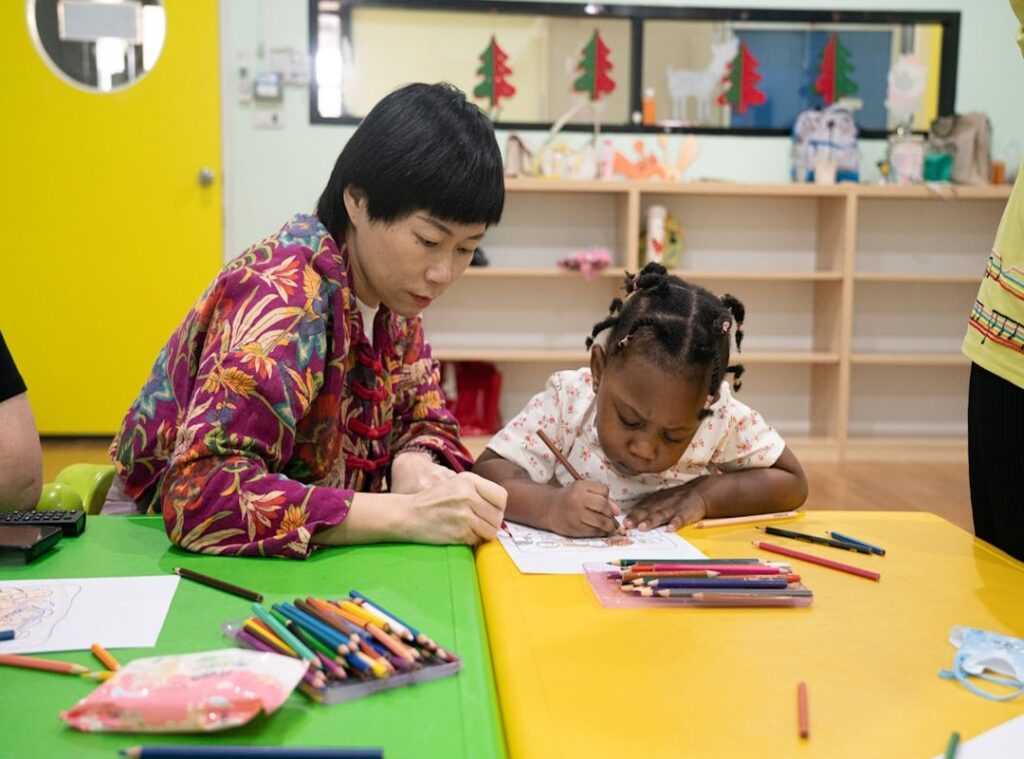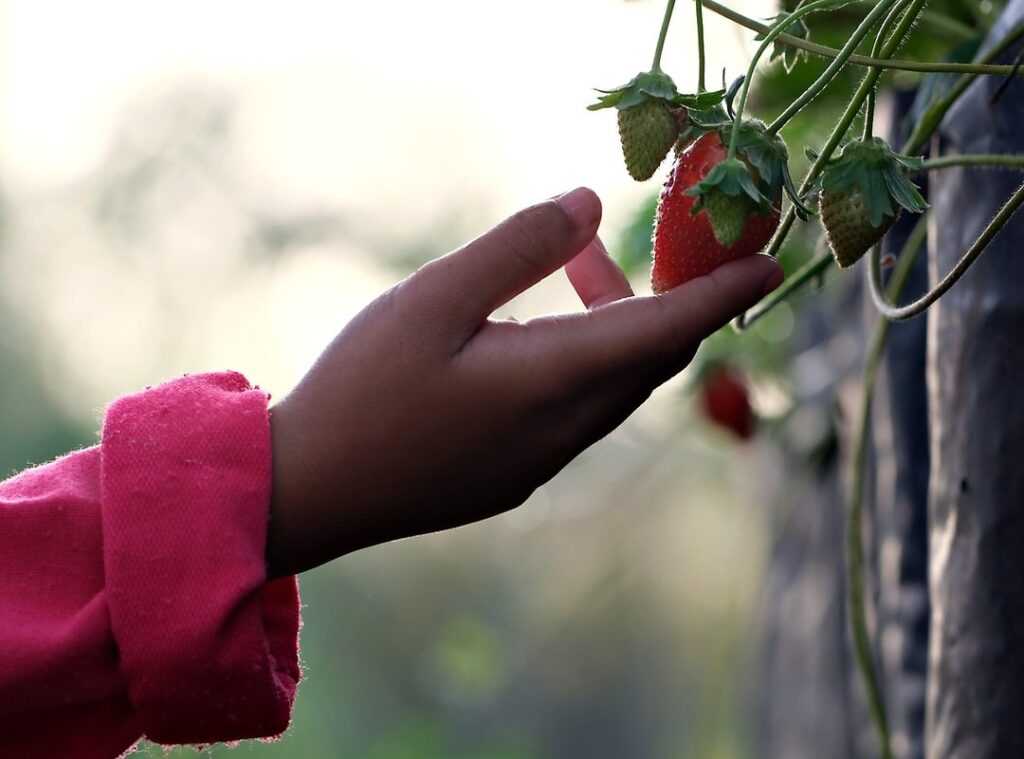


Do you ever feel that nagging pressure to do more for your child’s development? We’re bombarded with advice on early childhood growth, but who has time for expensive toys and rigid schedules? As a parent, I get it.
Life’s chaotic enough without adding more stress. Here’s the real kicker: you don’t need all that to support your child’s growth. I’ve been through this journey myself, navigating family dynamics while ensuring meaningful development.
This article will be your guide, offering practical ways to engage in play child development. You’ll find simple, effective activities that fit seamlessly into your busy life.
Why These Simple Moments Matter More Than You Think
Early childhood growth activities aren’t just lessons in disguise. They’re intentional, playful interactions that help build life’s foundation. Imagine a brain as a house under construction.
The early years are like laying down that strong system. Why rush to fancy classes when the best tools are right under our noses? Connection, conversation, and curiosity are key.
You don’t need special equipment to build growth. Ever notice how kids light up when they explore simple things? That’s pure magic.
These moments are about bonding and learning. And guess what? You’re probably already doing this.
When you chat with your child or engage them in games, you’re building important skills.
No need to stress over the latest educational fad. Our goal here is simple: be more intentional. Look at your daily routines and recognize their value.
They’re not mundane; they’re building blocks.
And if you’re curious about nurturing emotional intelligence in the little ones, consider browsing what works best for fostering emotional intelligence young children. It’s fascinating how play and child development intertwine, isn’t it? Simple moments truly shape lifelong skills.
Let’s cherish them.
Sparking Curiosity: Simple Activities for Big Growth
Ever watched a child play and wondered what’s really happening in those little minds? It’s fascinating. Play isn’t just fun; it’s a powerhouse for child development. to some activities that boost those cognitive gears.
First up, “Kitchen Helper.” I know, it sounds like a mess waiting to happen, but hear me out. When kids sort silverware, wash veggies, or stir ingredients, they’re not just making dinner. They’re learning early math concepts like sorting and measuring.
Plus, they’re practicing following directions, which is a big deal. Who knew a kitchen could be a classroom?
Then there’s “Storytelling with a Twist.” This one’s a favorite of mine. As you read a story, pause and ask, “What do you think happens next?” or get them to describe pictures. This simple tweak fosters imagination and language skills, and it even nudges key thinking into action.
It’s like watching a tiny storyteller come to life.
And don’t overlook “I Spy During a Walk.” It’s more than a game. It’s an exercise in observation skills, vocabulary building, and color/shape recognition. Plus, it gets you outside.
You’ll find more ideas on types of play for early childhood development.
These activities aren’t just time-fillers. They’re building blocks for curious minds. So next time you play, think about the skills you’re nurturing.
It’s all about making playtime meaningful.
Building a Strong Heart: Activities for Social-Emotional Learning
Social-emotional learning sounds fancy, but it’s really about helping kids understand their feelings, develop empathy, and build healthy relationships. It’s like teaching them to get through their emotions without turning into mini tornadoes. Who wouldn’t want that?
One way to start is by playing “Name That Feeling.” When your child is upset because their blocks fell (again), you can say, “I see you’re feeling frustrated.” This simple act can boost their emotional intelligence. They learn to identify emotions rather than just acting out. It’s like giving them the tools to express themselves better.
Then there’s “Turn-Taking Everywhere.” This isn’t just for board games. Practice it during conversations or chores. It teaches patience and respect.
Waiting for their turn to speak or help with dinner might test their patience (and yours), but it’s key for social skills. It’s amazing how these small moments can lead to big lessons.
And let’s not forget “Caring for Others.” Simple acts like helping feed a pet or making a card for grandma can teach responsibility and empathy. These activities help kids see beyond themselves.
Play is central to child development, and these activities integrate seamlessly into daily life. They’re easy to set up and effective. If you’re curious about more ways to build growth, check out nurturing creativity child growth for more takeaways.
With these tools, you’re not just building a strong heart (you’re) building a well-rounded person.
Getting Moving: Fun Ways to Support Physical Development
Understanding the difference between gross motor skills and fine motor skills is key to helping kids develop. Gross motor skills involve big body movements. Think running, jumping, or anything that gets the whole body in motion.

Fine motor skills, though, are all about small hand movements. They’re the building blocks for tasks like writing or buttoning a shirt.
Wondering how to build these skills at home? Let’s dive into some fun activities. For gross motor skills, try “Animal Walks.” Have your child move like a bear, a frog, or a crab.
It’s not just fun; it strengthens muscles and improves coordination.
Then there’s “Balloon Tennis.” This game requires just a balloon and paper plates. It’s a safe way to improve hand-eye coordination indoors. No broken lamps here!
For fine motor skills, “Kitchen Art” is perfect. Fill a tray with flour or cornmeal and let your child “draw” with their fingers. It’s messy, sure, but it’s a great way to develop the small muscles used in writing.
Play is key to child development. So why not make it fun? After all, who doesn’t like a bit of chaos and creativity in the name of learning?
The Busy Parent’s Guide: Growth on the Go
Time is a luxury most parents don’t have, right? So, what’s the hack for squeezing child development into that jam-packed schedule? Simple.
Turn daily routines into play child development opportunities.
When getting dressed, talk about colors. Ask your child which sock goes on which foot. It’s like a mini puzzle (and who doesn’t love puzzles?).
Practice sequencing by putting on clothes in the right order. Got buttons or zippers? They’re perfect for fine motor skills.
Tidying up doesn’t have to be a chore. Make it a game. Sort toys by color or type.
Or see who can put away five things the fastest. You get a neat room; they get to practice math and categorization. Win-win.
Car rides aren’t just for road rage. They’re golden moments for conversation. Singing songs boosts vocabulary and rhythm.
Try playing ‘I Spy’ with road signs. It’s surprising how much there is to see when you’re looking.
These daily hacks aren’t about adding to your plate. They’re about transforming what’s already there. You might have more time than you think.
Just a matter of perspective. After all, those little moments are the ones that can make a big difference.
You’re Enough for Your Child
Parents, feeling the pressure to get everything right for your child’s growth? I get it. But here’s the thing: the magic of play child development lies in those simple, loving moments.
It’s not about being perfect. It’s about connecting with your child. genuine development happens.
So take a breath. You’re already on the right path. This week, try just one new idea.
See the joy it brings. You’re their world and their first teacher. And remember, you are more than enough.
Want to explore more? Dive into our parenting takeaways. You’re not alone.
 Founded by Zayric Droshar, What U Talking Bout Family is guided by a warm, thoughtful vision centered on modern family life. With a focus on parenting spotlight stories, child development insights, family growth, and honest parenting dialogues, Zayric shaped the platform as a welcoming space where families can find encouragement, perspective, and meaningful everyday inspiration.