If you’re searching for real, practical sibling rivalry solutions, you’re likely dealing with daily conflicts that leave everyone in your household frustrated and exhausted. From constant competition to emotional outbursts, sibling tension can disrupt family harmony and make you question whether you’re handling it the “right” way. This article is designed to help you understand why sibling rivalry happens, what it actually means for your child’s development, and how to respond in ways that build stronger, healthier relationships.
We’ve explored insights from child development research, family psychology experts, and real-life parenting experiences to bring you strategies that are both evidence-based and realistic for modern families. You’ll find actionable steps that go beyond quick fixes—approaches that foster empathy, communication, and long-term connection. If your goal is a more peaceful home and stronger sibling bonds, you’re in the right place.
Constant bickering can drain parental energy and disrupt household peace. Many parents feel like referees in a never-ending championship game, whistle in hand, wondering if the scoreboard will ever reset. The deeper worry isn’t today’s argument over toys; it’s tomorrow’s relationship.
Think of conflict as a kitchen fire alarm. Loud, annoying, but signaling heat that needs attention. Instead of just silencing it, this guide shows how to turn sparks into lessons in empathy, communication, and problem-solving. With practical sibling rivalry solutions, you’ll manage clashes in the moment and build a calmer, sturdier family foundation. Peace is built, not enforced. Daily.
Understanding the ‘Why’ Behind the Fight’
Look beneath the surface and you’ll notice something important: most sibling blowups aren’t really about the blue cup or who touched whose Lego tower. They’re signals. In child development terms, behavior is communication—especially when kids lack the vocabulary to explain what they feel. What looks like defiance is often an unmet need waving a red flag.
Common triggers include competition for parental attention (a resource kids instinctively protect), jealousy when one child hits a milestone first, and developmental gaps. A toddler’s underdeveloped impulse control—meaning the brain skills that pause before acting—collides with a school-aged child’s strong sense of fairness. That mismatch creates friction (think buddy-cop movie with wildly different personalities).
Environment matters more than many parenting guides admit. The HALT method—Hungry, Angry, Lonely, Tired—explains why small problems explode under physical or emotional strain. Research shows sleep deprivation alone reduces emotional regulation in children (Mindell & Owens, 2015). In other words, biology often wins.
Here’s the mindset shift: YOU ARE NOT THE JUDGE. You’re the detective. Instead of declaring a winner, uncover the unmet need driving the behavior. That approach goes beyond typical sibling rivalry solutions by focusing on prevention, not punishment. Pro tip: address HALT factors before mediating fairness. It changes EVERYTHING.
Building a Foundation of Peace: Proactive Strategies
If there’s one hill I will die on as a parent, it’s this: peace in a home doesn’t happen by accident. It’s BUILT—intentionally, consistently, and sometimes awkwardly.
Start with clear family rules. Not a 40-page constitution. Just a short, positive list:
- We use kind words.
- We respect each other’s bodies.
- We take care of our things.
When kids help create the rules, they’re more likely to follow them (funny how that works). You’re not just setting expectations—you’re shaping culture. And culture matters, especially when you think about the impact of family traditions on emotional development.
Next: schedule one-on-one time. I’m talking 10–15 minutes daily where one child gets your undivided attention. No phone. No sibling. No multitasking. This fills their “attention cup” before it spills over in the form of drama. Some argue kids should just “learn to share attention.” I disagree. Even adults crave individual recognition.
Avoid comparisons at ALL costs. Even positive ones. Saying, “Why can’t you be more organized like your brother?” plants resentment. Research shows parental differential treatment is linked to increased sibling conflict and lower self-esteem (American Psychological Association, 2019). Focus on individual growth instead.
Finally, teach essential skills. Sharing and turn-taking are learned behaviors—not instincts. Practice during calm moments. Use timers. Role-play. Make it normal.
These small habits are powerful sibling rivalry solutions. They won’t eliminate every argument (nothing will), but they create a home where respect is expected—and practiced daily.
Your In-the-Moment Conflict Resolution Playbook
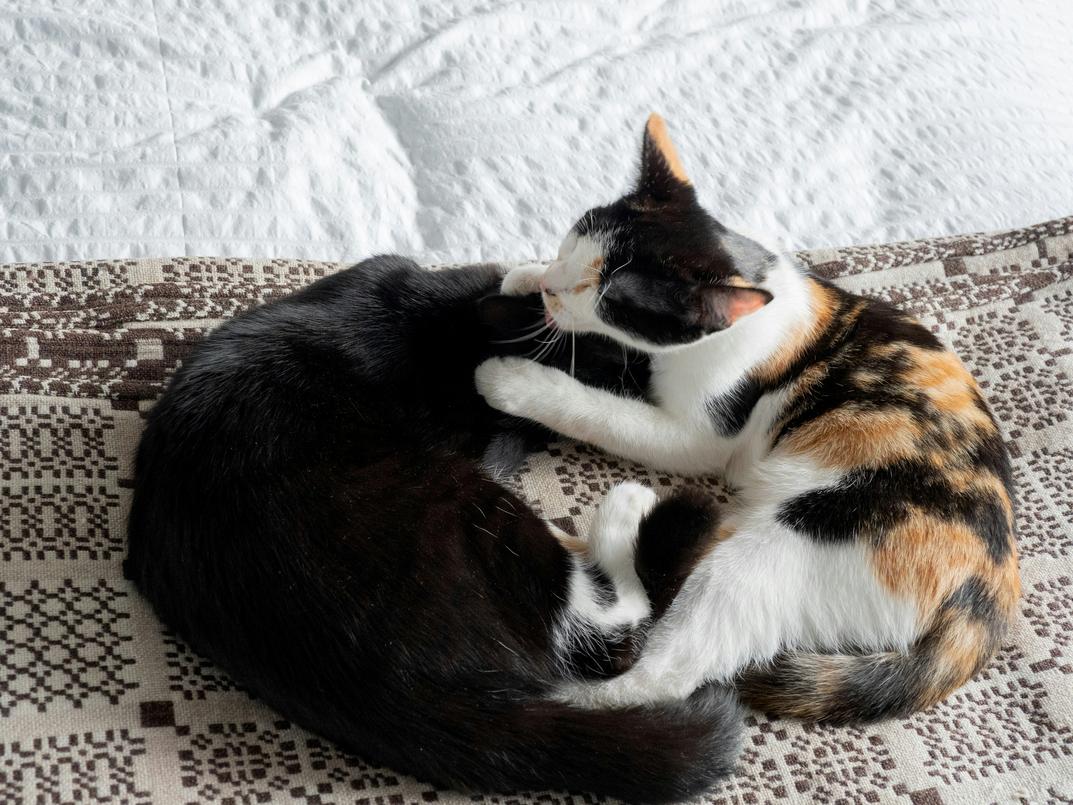
Conflict between kids can escalate fast (like popcorn in a microwave—quiet, quiet, then boom). This four-step method gives you a clear, repeatable structure you can use anytime tensions rise.
Step 1: Mediate, Don’t Dictate
Approach with a calm, neutral tone and, if necessary, physically separate the children. This creates immediate emotional safety and lowers cortisol levels, which research shows can spike during conflict (American Psychological Association). The benefit? Clearer thinking and fewer reactive outbursts.
Step 2: Sportscast the Problem
Narrate what you see without blame: “I see two children who both want the same blue car.” This technique—sometimes called objective narration—reduces defensiveness because no one feels accused. It validates emotions while keeping you neutral (think referee, not judge).
Step 3: Encourage “I Feel” Statements
Guide kids from accusation to ownership:
- “I feel angry because my tower was knocked down.”
- “I feel frustrated because I was still playing.”
This builds emotional literacy, a skill linked to stronger peer relationships and long-term resilience (CASEL).
Step 4: Guide Them to a Solution
Ask, “What can we do to solve this problem?” Let them brainstorm—even silly ideas count. Problem-solving practice strengthens executive functioning skills, which are critical for decision-making and impulse control.
Used consistently, this framework becomes one of your most reliable sibling rivalry solutions. And the more you use it, the less you’ll need to (because they’ll start doing it themselves).
Empowering kids to solve their own problems starts with knowing when to step in. Intervene immediately if there’s physical aggression; safety is nonnegotiable. However, for minor bickering, pause and observe—can they work it out themselves? Next, praise the process, not just the outcome. Highlight moments of cooperation, compromise, or calm communication, even if the solution is messy. This builds conflict resolution skills, meaning the ability to navigate disagreements respectfully. Over time, focus on practical sibling rivalry solutions that encourage dialogue. Ultimately, the goal isn’t a silent house, but capable kids prepared for real-world conflicts. Consistency makes these lessons stick longterm.
From Conflict to Connection: Your Family’s Path Forward
Sibling conflict isn’t a red flag; it’s rehearsal for real life. Disagreements teach negotiation, empathy, and resilience (skills adults pay therapists to relearn). The real issue isn’t arguing—it’s CONSTANT CHAOS.
Many believe good parenting means stopping every fight. I disagree. Peace at all costs can rob kids of growth. Instead, use sibling rivalry solutions to coach, not control.
- Pick one proactive routine (like weekly check-ins).
- Practice one in-the-moment reset (pause, name feelings).
Do this consistently and you’re not just ending fights—you’re building emotional intelligence and a stronger sibling bond. Small steps. Big change.
Building Peace and Growth at Home
You came here looking for real, practical ways to handle the tension, tears, and constant competition between your kids. Now you understand what’s really driving the conflict—and more importantly, how to respond in ways that build connection instead of resentment.
Sibling conflict isn’t just noise in the background. It’s exhausting. It tests your patience. It can make you question whether you’re doing something wrong. But with the right sibling rivalry solutions, those daily battles can turn into opportunities for teaching emotional regulation, empathy, and teamwork.
The key is consistency. Model calm behavior. Set clear boundaries. Coach your children through problem-solving instead of playing referee every time. When you approach rivalry as a skill-building moment instead of a crisis, you create a home environment where growth replaces competition.
If you’re tired of constant arguments and want proven, practical sibling rivalry solutions that actually work, don’t wait for things to “just get better.” Start applying these strategies today and see the shift in your home dynamic. Families who take intentional action create lasting harmony—begin now and turn chaos into connection.