

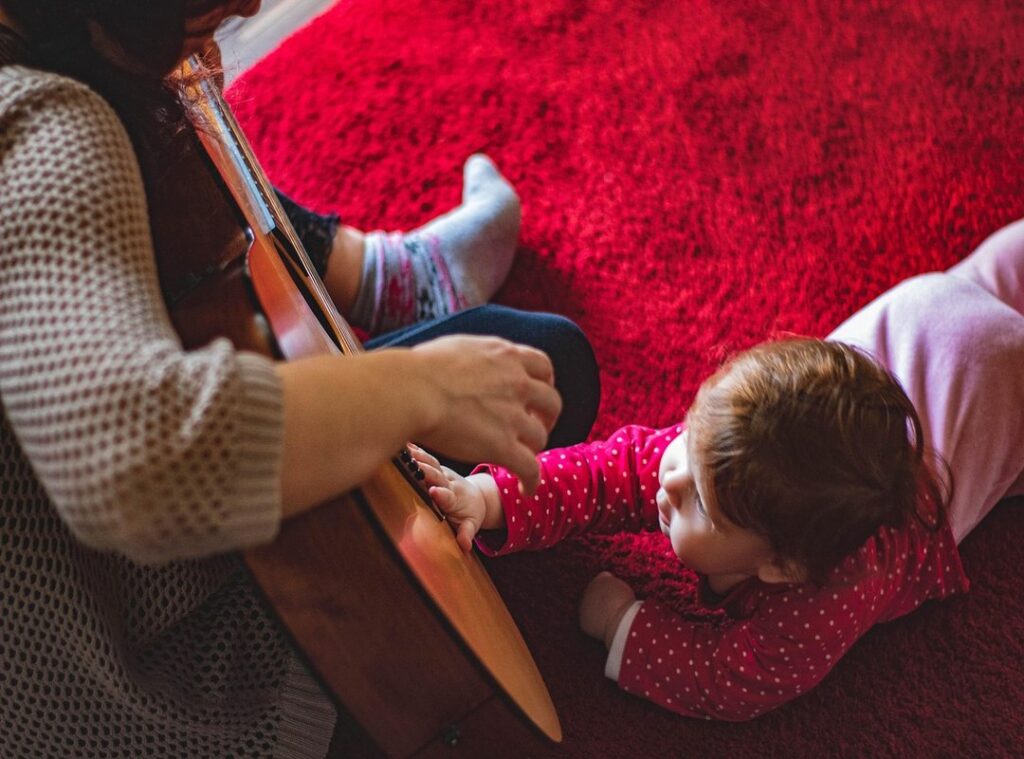
Ever watch your kid play and wonder how to help their brain grow? You’re not alone. Parents everywhere feel overwhelmed trying to boost their child’s mind with elaborate techniques or pricey gadgets.
Here’s the good news: you don’t need them.
There’s a simpler way to nurture your child’s development. It’s music. Yes, music for children’s cognitive development isn’t just a theory; it’s backed by science.
I’ve been there, too (searching) for practical advice without the judgment.
This article is your guide. We’ll dive into why music works and, importantly, how you can start using it today. Think age-appropriate, easy activities that fit into real life.
No fluff, just actionable tips. Ready to open up your child’s potential with music? Let’s get started.
Brain Beats: Music’s Role in Child Development
When we talk about cognitive development in children, we’re diving into how they learn, solve problems, and store memories. It’s basically how their brains become the incredible machines they are. Now, music?
It’s like a full-body workout for the brain. Imagine your child’s mind lighting up like a Christmas tree as music taps into the auditory, visual, and motor areas all at once.
Here’s a neat concept: neuroplasticity. It’s the brain’s way of adapting and reshaping itself. In kids, this adaptability is off the charts.
They’re like little sponges, soaking up every note and rhythm. By introducing music early, we’re not just crafting future musicians. We’re strengthening those neural pathways, building bridges that help in language, math, and even emotional understanding.
You might be wondering, why music? Because it sparks joy and learning in a way few other things do. Want more on how factors like pets can boost child development?
Check out this guide.
Ever noticed how a tune sticks with you or how rhythm gets you moving? That’s not just entertainment. That’s cognitive magic at work.
The science is simple and frankly, a bit awe-inspiring. Music gives the brain a workout, making it better equipped for tackling life’s challenges.
Beyond ABCs: Unlocking Cognitive Powers with Music
You ever notice how kids latch onto songs? I mean, we’ve all heard “The Alphabet Song” on repeat (and maybe dreamed about it). This isn’t just for fun (it’s) training their brains.
Songs like this are magic tools for memory and recall. Kids memorize not just the lyrics but the order of letters and words. It’s like sneaking veggies into mac and cheese.
Language skills? Music’s got that covered too. Singing introduces new vocabulary and those catchy rhythms and rhymes are the backbone of reading skills.
Think about it: music child cognitive development isn’t just a buzzword. It’s a reality. Kids learn language in a musical context, like how we remember jingles from commercials (even when we wish we didn’t).
Attention and focus also get a boost. Ever watched a kid wait for that perfect moment to jump in during a musical game? It’s intense.
They’re honing concentration, timing their entry like they’re hitting a drum solo at a rock concert.
Then we have problem-solving and reasoning. Give a child a simple instrument, and suddenly they’re figuring out patterns and sequences. It’s basically a brain workout.
They’re learning logical thinking, whether they realize it or not.
Still skeptical? Check out the importance music child development. This lays it all out.
Music isn’t just art; it’s a tool. A tool that works wonders on developing minds, crafting skills that go far beyond simple ABCs. Let’s face it, music is a superpower we often overlook.
Your Age-by-Age Guide: Fun Musical Activities to Try Today
For Infants (0-12 months):
Let’s start with the little ones. Infants are like sponges, soaking up everything around them. So why not use music to enrich their world?

Sing soft lullabies to them. Your voice is more solid than you think. It’s not just for bonding, but it also helps with their early sound recognition.
You could also play some gentle tunes during tummy time. It makes the experience more enjoyable and less of a chore (for both of you).
And then there are shakers. Give them a rattle and watch them explore sound. It’s fascinating.
You know how those little hands get all wiggly? Pairing that with sound is a recipe for cognitive magic. Ever thought about how your voice and playful sounds contribute to their development?
It’s astonishing.
For Toddlers (1-3 years):
Now, let’s talk about toddlers. They’re all about movement. Ever notice how they love to bop around?
This is where action songs come into play. “Head, Shoulders, Knees, and Toes” is a classic for a reason. It’s fun and it gets them moving. You can even create a ‘pot and pan’ drum set.
It’s noisy, but hey, it’s all in the name of rhythm exploration.
This is the age where you introduce simple concepts like ‘fast’ and ‘slow’ or ‘loud’ and ‘soft’. Music becomes a tool for understanding these ideas. How cool is that?
A dance party isn’t just a fun activity. It’s a key learning moment.
For Preschoolers (3-5 years):
Preschoolers are curious. They want to know how things work. This is the time to dive into more structured musical play.
Homemade instruments? Absolutely. It’s not just a craft.
It’s a way to understand music from the ground up. And then there’s musical statues. It’s an incredible way to practice listening skills.
Songs with repeating patterns or stories are key at this age. They’re not just learning a song, they’re learning to listen and retain. These activities are building blocks for more formal learning.
Ever thought of how these early experiences shape their education journey? It’s fascinating.
As your child grows, these musical experiences become part of their development. From infancy to preschool, music is a tool for cognitive growth. It’s amazing how something so fun can be so beneficial.
Who knew that having a mini dance party could spark so much growth?
If you’re curious about how rituals and traditions play a role in family bonding, check out the science family traditions rituals. It’s a worthwhile read that ties into how routines, including musical ones, influence family dynamics. Music isn’t just enjoyable; it’s important for development.
It’s Not Just Mozart: The Right Tunes for Your Kid
Let’s crush the myth that only classical music boosts a child’s brainpower. It’s tempting to think your child should only listen to Mozart, but that’s not the whole picture. Variety matters.
Exposing kids to folk, jazz, world music, and even some parent-approved pop can broaden their auditory palate, which is important for music child cognitive development.
Here’s a simple guideline: pick tunes with clear rhythms and engaging melodies. Lyrics should be age-appropriate (no shockers there). But here’s the kicker: the most important factor is shared enjoyment.
If you’re jamming out and having fun, your kid is more likely to benefit too.
Don’t overthink it. Music choice isn’t a secret formula. It’s about creating a joyful atmosphere.
Remember, if you love it, chances are your child will too. Maybe throw in some Beatles or Bob Marley. Who doesn’t love a good “Here Comes the Sun” moment?
Make Music, Make Memories
Feeling unsure about your child’s development? You’re not alone. But here’s the magic: music child cognitive development is a real game-changer.
We’ve laid out a clear path to use music as a tool for growth. It’s not just about notes and melodies. It’s about building deeper connections and developing important brain skills.
You don’t need to be a maestro. Just start. Pick one activity from our list and dive in this week.
Focus on joy, not perfection. Music is accessible and fun, a perfect way to bond. Imagine the smile on your child’s face and the hidden brainwork happening.
Ready to see the change? Start today. Your child’s growth journey begins with a single note.
Try it, and watch them flourish.
 Founded by Zayric Droshar, What U Talking Bout Family is guided by a warm, thoughtful vision centered on modern family life. With a focus on parenting spotlight stories, child development insights, family growth, and honest parenting dialogues, Zayric shaped the platform as a welcoming space where families can find encouragement, perspective, and meaningful everyday inspiration.