

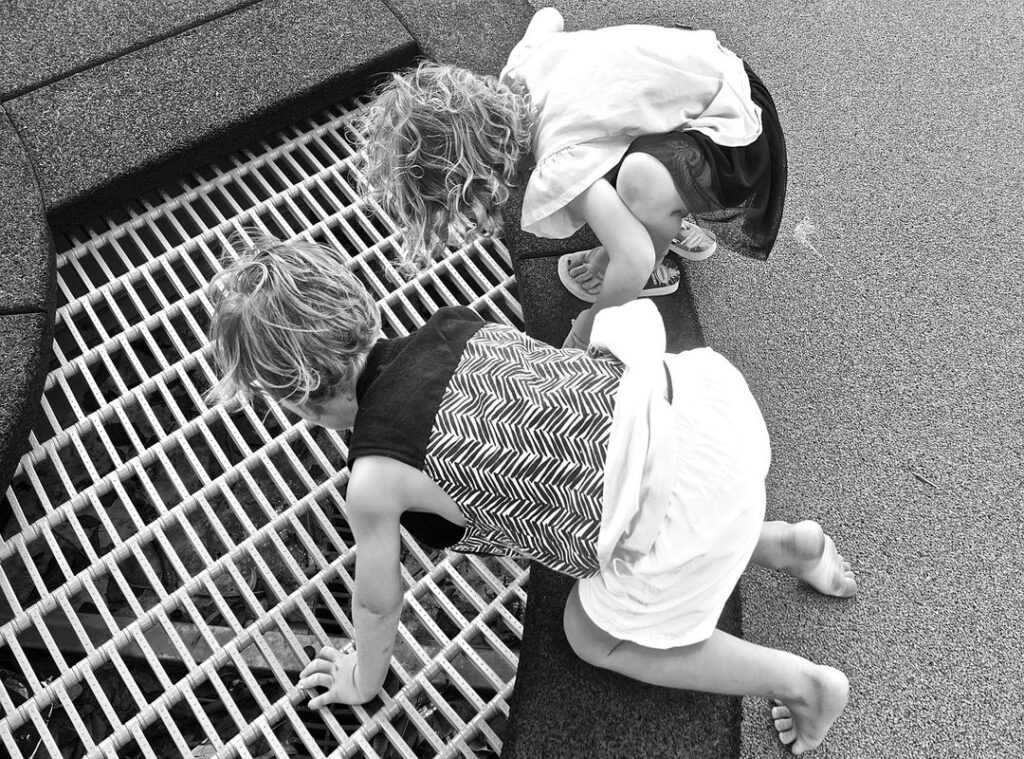
We’ve all been there. Your kid starts asking the endless “why” questions, or maybe they decide to mix flour and water just to see what happens. It’s messy.
It’s chaotic. And let’s be honest, sometimes it’s downright annoying. But what’s really happening here?
It’s kids curiosity science in action. They’re learning, exploring, and testing their world without even realizing it. As parents, it can be tough to know how to guide this curiosity.
I mean, who has the time (or patience) to run experiments every day? But here’s the thing: you don’t need a lab coat or a degree. Everyday moments can become a playground for discovery.
This article promises to help you embrace and guide your child’s natural curiosity, using real-world, practical advice. Let’s turn your home into a fun, science-filled adventure.
Unleashing Curiosity: What Exploratory Science Means for Kids
Exploratory science. What does that even mean? For kids, it’s not about memorizing facts or diving into complex experiments.
It’s the thrill of wondering, testing, and discovering. Think of it like cooking. Formal science is following a recipe to the letter.
Exploratory science? That’s just tossing ingredients together to see what tastes good.
Kids are naturally curious, and science should tap into that. But I get it. Parents often think, “I’m not a science person.” Here’s the thing: you don’t need to have all the answers.
It’s about encouraging questions. the magic happens. And it’s not that complicated. Really, it boils down to three core ideas: Observation, Prediction, and Experimentation.
What do you see, hear, or feel? That’s observation. What do you think will happen?
That’s prediction. And then, just try it out and find out! That’s experimentation.
Here’s an example. Picture a kid dropping different leaves into a puddle. Which leaf floats longest?
It’s a simple activity, but it sparks all three concepts. And trust me, the gleam in their eyes when they make a discovery is priceless.
Want to make science a science family traditions ritual? Start with easy, everyday experiments. They don’t need to be grandiose.
Just something that tickles their curiosity.
Exploratory science is about the process, not the result. It’s raw, it’s messy, and it’s rewarding. Kids’ curiosity in science isn’t just encouraged; it’s unleashed.
That’s the kind of learning that sticks.
The Real-World Superpowers Kids Gain from a Little Messy Fun
Ever notice how kids can turn a simple afternoon into a whirlwind of chaos? It’s easy to focus on the mess, but let’s shift to the “why.” Why let them dive into that chaotic world of play? Because those messy moments are where magic happens.
Kids don’t just make messes; they craft their own superpowers.
First up, resilience. Think about it: a kid builds a tower of blocks, only to watch it topple over. What do they do?
They start again. This is resilience in action. They learn it’s okay to be wrong (failure) isn’t the end.
It’s a lesson. They become little scientists, experimenting until they achieve success. This resilience doesn’t just stay in the playroom.
It spills into everyday life, making them stronger, more adaptable.
Next, let’s talk about key thinking. Ever seen a child wonder why a rock sinks while wood floats? (It’s an age-old puzzle.) They don’t just accept it. They dig deeper, ask questions, and think critically.
This is the foundation of problem-solving. They’re not just playing; they’re engaging in kids curiosity science, exploring the world with wide-eyed wonder. This skill is a game-changer for their future.
And then there’s confidence. When a child figures something out on their own, it’s like they’ve unlocked a superpower. They didn’t need an adult to hand them the answer.
They did it. That boost in self-esteem is priceless. It breeds independence.
It encourages them to take on new challenges, knowing they’ve got the skills to tackle them.
These superpowers don’t stay confined to playtime. They transform family dynamics. A curious kid becomes more engaged.
They ask questions at the dinner table. They become independent learners, eager to explore new ideas. It’s all connected, this messy play and real-world learning.
And if you’re ever stuck for ideas, check out 100 fun facts for kids to spark their curiosity even more. Because every little mess is a stepping stone to greatness.
Everyday Places for Science: Kids’ Curiosity Unleashed
Ever thought about the science bubbling away under your nose? You don’t need fancy kits to get your kids hooked on discovery. to the everyday hubs where science waits to be uncovered.
First up, the Kitchen Sink Lab. This is where I realized some of the best science happens. Ever tried dissolving salt in water?
Easy, right? Now do the same with sand. Spoiler: sand doesn’t dissolve!
It’s a simple way to show kids how substances interact with water. What about testing which fruits sink or float? Grab an apple, drop it in, and watch the magic.
It’s gravity at work. And temperature? Fill one bowl with warm water and another with cold.
See how quickly they notice the difference. It’s a mini lab right at your fingertips.
Head outside to the Backyard Space. This is where observation is key. I usually take my kids on a bug hunt.
No catching, just watching. It’s fascinating how much life is right there. Compare leaves from different trees.
Notice anything? It’s nature’s diversity lesson. And when it rains, see how water gets absorbed into the soil.
It’s all about curiosity and asking questions.
The Bathtub Physics Zone is next on the list. Bath time can be a science session. Play with bubbles and see how they form.
Create waves with your hand and notice how they move. Which toys are waterproof? It’s about experimenting with what you already have.
And trust me, it makes bath time way more interesting.
Next, the Living Room Construction Site. Building with blocks or cardboard boxes isn’t just play. It’s physics and engineering rolled into one.
Talk about balance and gravity while stacking blocks. Does the tower fall? Why?
It’s a perfect way to discuss structural integrity in simple terms. Plus, it’s fun to knock it all down afterward.
Finally, the ‘What’s For Dinner?’ Investigation. Cooking with kids is a chemistry lesson. Watch how heat turns liquid batter into solid pancakes.
Or how yeast makes dough rise. It’s transformation right before their eyes. Let them mix ingredients and see what happens.
It’s practical science with a tasty outcome.
Involving kids in these activities isn’t just about keeping them busy. It’s about nurturing their curiosity. These everyday explorations lay the groundwork for understanding the world.
And who knows? Maybe it’ll lead to bigger questions, like the impact music has on child cognitive growth.
So, what are you waiting for? The world is full of science waiting to be discovered. Let’s get started with what you have at home.
Kids’ curiosity in science is just the beginning.
Speak Like a Scientist: Unleash Your Inner Einstein
You don’t need a lab coat to talk like a scientist. It’s all about the language you use. I’ve found that the questions we ask often matter more than the answers we give.
You ever noticed how kids light up when you ask, “What do you notice about that?” instead of a dull yes/no question? That’s the power of curiosity.
Asking “What do you think will happen if we…?” gets their little gears turning. It’s magic. Want to model curiosity?
Try saying, “That’s a great question. I’m not sure, how could we find out together?” This empowers you but also your child. It’s a win-win.
And let’s not forget: celebrate the process. Praise the good question or the interesting attempt, not just the “correct” answer. Kids curiosity science teaches us that it’s about the journey.
Ever watched a detective show? It’s not always about solving the mystery; it’s about how they get there. Kids are no different.
They’re little scientists, investigating their world. Help them enjoy the ride.
Unleash Your Child’s Inner Explorer
Feeling overwhelmed by your child’s endless questions and energy? You’re not alone. But the solution isn’t about being a science expert; it’s about nurturing curiosity.
Simply use your home, your words, and your shared time. Kids curiosity science doesn’t require fancy equipment or degrees.
Tonight, pick one idea from our article. Try a sink-or-float game during bathtime. Watch how your child’s eyes light up.
It’s not just a game; it’s the start of a lifelong passion for discovery.
Start small. Start today. You’ll find that fostering a love for learning is easier than you think.
 Valdanie Prattero brings a thoughtful and family-centered voice to What U Talking Bout Family, helping shape its warm perspective on parenting, child development, and meaningful family connections. With a focus on honest storytelling and modern parenting conversations, Valdanie adds a caring presence that reflects the heart of the platform.