
It’s easy for family life to slip into a nonstop cycle of chores, homework, schedules, and stress—leaving little space for real connection or meaningful growth. If your home feels more reactive than intentional, you’re not alone. This guide offers a practical blueprint to help shift your family’s dynamic from fixed expectations to shared curiosity and optimism. Drawing on deep insights into modern family dynamics and child development, we’ll explore simple, real-world strategies that actually stick. You’ll discover how language, daily rituals, and a fresh perspective can help you build a growth mindset for families—where learning is embraced and positivity becomes the default.
From ‘You’re Smart’ to ‘You Worked Hard’: The Power of Growth Mindset Language
At its core, a fixed mindset is the belief that abilities are static—you’re either “good at math” or you’re not. A growth mindset is the belief that skills can be developed through effort, strategy, and feedback. Psychologist Carol Dweck’s research shows that students praised for effort choose harder tasks and persist longer than those praised for intelligence (Dweck, 2006).
In real life, this plays out at the kitchen table during homework or on the soccer fields at Memorial Park. When we praise talent, kids protect their label. When we praise effort, they build resilience.
Praise the Process, Not the Person
The shift sounds small, but it changes everything.
Say This — Not That
- Instead of: “You’re a natural at this!” → Try: “I can see the practice you put in is really paying off!”
- Instead of: “This is too hard for you.” → Try: “This is challenging. What’s one small step we can try first?”
- Instead of: “Don’t fail.” → Try: “Mistakes are proof that you are trying. What did we learn here?”
Some argue that praising effort alone can feel hollow (and they’re right—empty praise helps no one). The key is specific feedback: name the strategy, the focus, the revision. That’s how growth mindset for families becomes practical, not just trendy parenting jargon.
Just as importantly, kids mirror what they hear. If you say, “I’m terrible with technology,” they internalize limits. Try: “I’m still learning this.” (Yes, even when the Wi-Fi drops again.)
How you frame challenges also shapes identity, much like in understanding family roles and how they shape child behavior.
Your words today become their inner voice tomorrow.
Cultivating Curiosity: How to Make Learning a Family Adventure
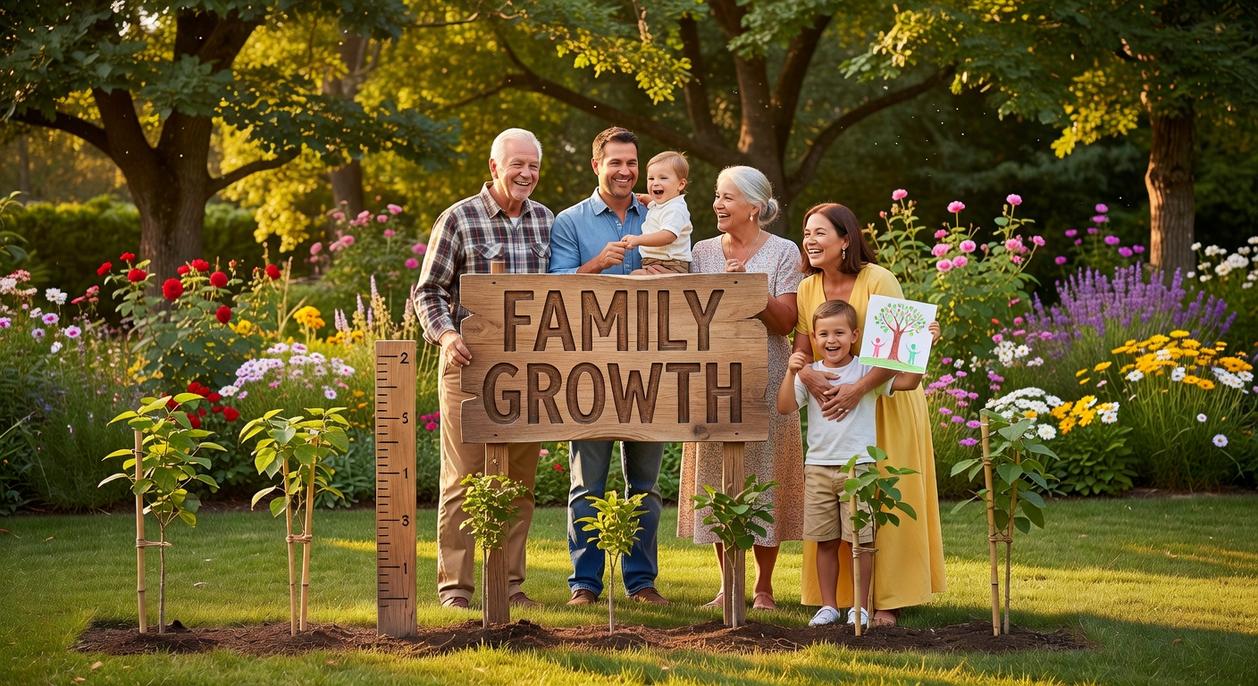
What if learning didn’t stop at the classroom door? When you frame discovery as part of everyday life—not just homework—you give your kids something powerful: the belief that the world is endlessly interesting (and that questions are welcome here).
Start with a simple ritual: the Wonder Jar. Place a jar in the kitchen and invite everyone to drop in questions during the week—“Why is the sky blue?” or “How do airplanes stay up?” Once a week, pull one out and explore the answer together. This builds critical thinking, teamwork, and confidence. The benefit? Your child learns how to learn.
Normalize saying, “I don’t know, let’s find out!” This models intellectual humility and shows that curiosity doesn’t end with adulthood. In fact, it strengthens trust because your kids see you as a co-learner, not a know-it-all (which, let’s be honest, no one enjoys).
Turn errands into explorations. At the grocery store, compare prices and talk budgeting. In the car, discuss road signs or construction. On walks, identify plants and insects. These micro-moments compound over time.
Curiosity at home creates confident, capable thinkers. Embracing a growth mindset for families transforms ordinary days into shared adventures—and that’s a return on investment every parent can appreciate.
The Art of the Positive Reframe: Finding the Opportunity in Obstacles
Positive reframing is the practice of intentionally looking for an alternative, constructive perspective in a tough situation. It is not toxic positivity—the habit of denying real feelings or pretending everything is fine. Instead, it acknowledges disappointment and then asks, “What else could this mean?” In other words, it’s about spotting the lesson, the silver lining, or the unexpected path forward.
For example, imagine a rainy day cancels a long‑planned park trip. The obstacle is obvious: restless kids and soggy shoes. The reframe might be, “This is a perfect chance to have that indoor movie marathon and build an epic pillow fort we never have time for!” Suddenly, the day shifts from ruined to memorable.
Similarly, if a child is upset about a low test grade, you might say, “This grade gives us great information. It shows us exactly which topics we need to focus on to master this subject. Let’s make a plan.” That’s a growth mindset for families in action.
To reinforce this habit, try a daily “Grateful Moment” at dinner. Each person shares one good thing that happened. Over time, this trains the brain to scan for positives. Looking ahead, it’s reasonable to speculate that families who practice reframing consistently may build greater emotional resilience in an increasingly stressful world.
Celebrating ‘Productive Failure’: How Your Family Responds to Mistakes
Failure often feels loud—the slam of a door, the sharp sigh after a wrong answer, the sting of tears welling up. But what if we redefined it? Productive failure is a setback that gives us useful information for the next attempt. The goal isn’t to avoid falling; it’s to fail forward.
The pivotal moment is your reaction. When a child spills the milk or bombs a test, a calm voice and curious questions (“What could we try differently?”) signal safety. Some argue kids need tough love to “build grit.” Yet research shows supportive responses foster resilience and long-term motivation (Dweck, 2006). A steady tone teaches courage better than criticism.
Share your own missteps—the burnt dinner you can still smell, the job you didn’t get—and what they taught you. Normalize the wobble.
Praise recovery: the deep breath, the new strategy, the brave ask for help. That’s growth mindset for families in action.
Your Family’s Next Chapter Starts With One Small Shift
Building a positive, learning-focused home doesn’t require a complete overhaul. A growth mindset for families is shaped through small, consistent, intentional actions repeated day after day. When life feels overwhelming, it’s easy to slip into survival mode—but ignoring your family’s underlying mindset often leads to frustration, disconnection, and disengagement.
The good news? Simple shifts in your language, your curiosity, and how you respond to challenges give your children powerful tools for resilience and lifelong learning.
This week, choose just one strategy—start a “Wonder Jar” or try one “Say This, Not That” phrase—and practice it daily. One small shift today can change your family’s tomorrow.