
You’ve probably heard it before: the responsible firstborn, the rebellious middle child, the free‑spirited youngest. But how much of that is grounded in birth order and how much is just family folklore?
If you’re here, you’re likely wondering whether your place in the family truly shaped who you are—or how it might shape your child. The problem is, advice on this topic is often fueled by pop‑psychology myths, not facts. It’s hard to know what’s real and what’s simply a good story repeated too many times.
In this article, we break down what personality research and established psychological theories actually say about sibling order. We’ll separate anecdote from evidence and give you a clear, research‑based look at whether birth order truly influences personality—and what that really means for families today.
Seeing the Individual, Not Just the Order
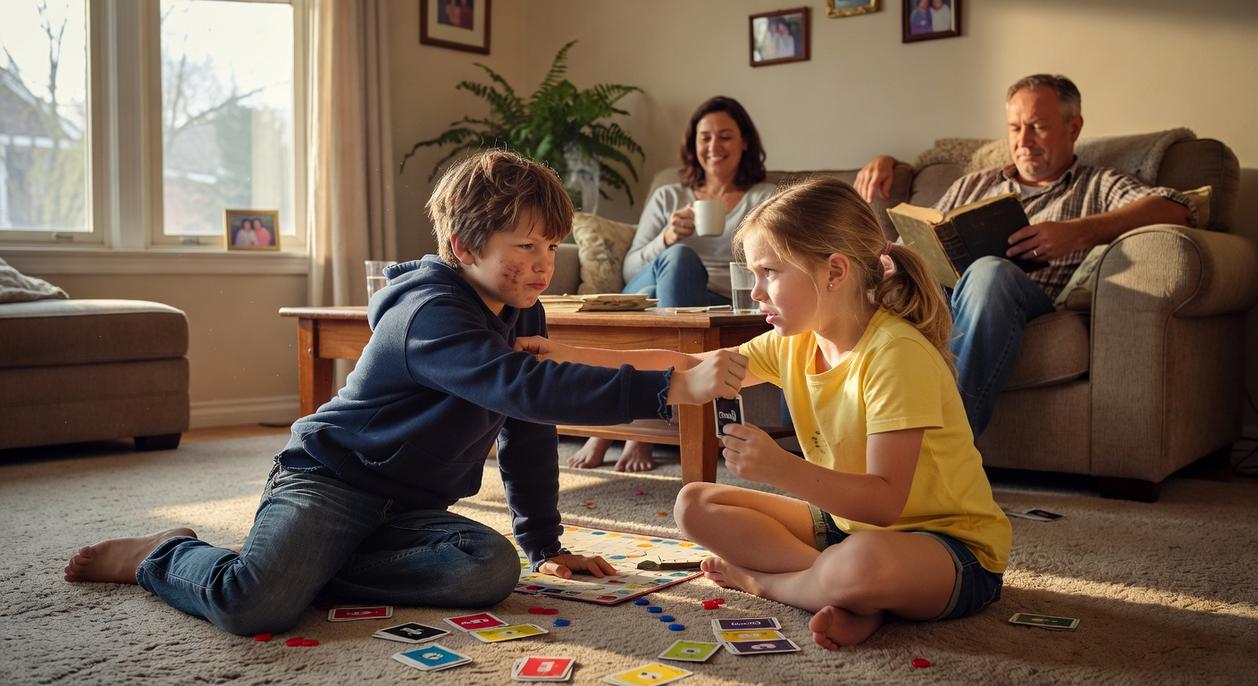
You came here looking to better understand the connection between birth order and personality research, hoping to separate myth from meaningful insight. Along the way, we’ve unpacked the popular theories, the scientific realities, and the nuances that often get overlooked in everyday parenting conversations.
It’s natural to want categories that help explain our children’s behaviors. But birth order “rules” are not destiny — they’re loose patterns at best. No child is defined solely by being the oldest, middle, or youngest.
The real breakthrough happens when you look beyond labels and focus on your child’s individual temperament, strengths, and needs. That’s where connection grows.
Use what you’ve learned as a lens, not a label. Start more empathetic conversations. Adjust your parenting to the child in front of you. When you respond to who they are — not just where they fall — your entire family dynamic can shift for the better.