

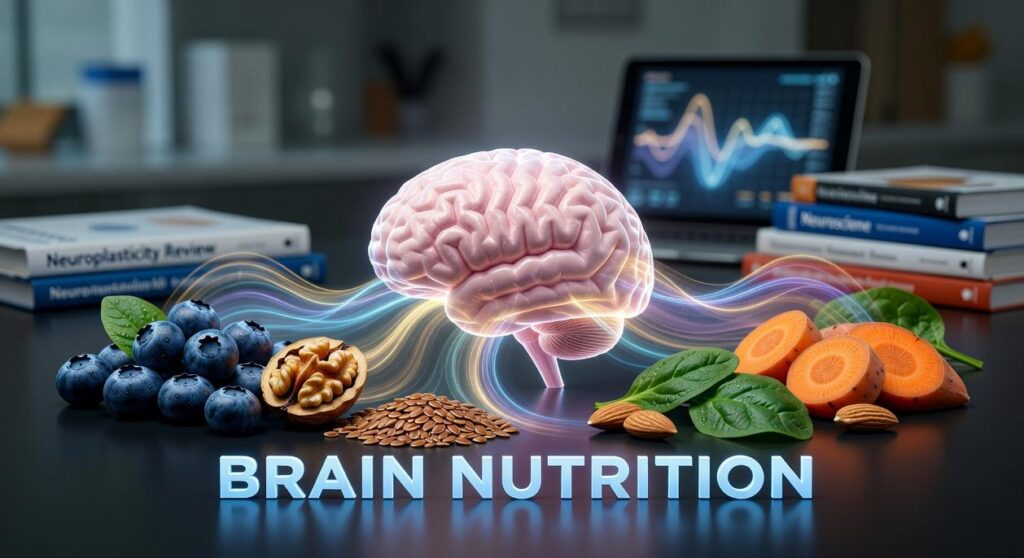
Every parent wants to give their child the best start in life—but when it comes to nutrition and brain development in children, the advice can feel overwhelming. Which foods actually help your child focus better, remember more, and reach important cognitive milestones? And how do you get those foods onto the plate of a picky eater? This article answers those questions clearly and directly. Backed by current research on early childhood development, we break down the specific foods that support growing minds and share simple, practical ways to make them part of your family’s everyday routine.
The First Five Years: A Blueprint for Brain Development
Why This Age Matters
Here’s something that still amazes me: about 90% of brain growth happens before a child even steps into kindergarten (Harvard Center on the Developing Child). In other words, the first five years aren’t just important—they’re foundational. During this window, the brain forms millions of neural connections, called synapses, every second. Synapses are the links that allow brain cells to communicate, shaping everything from language to emotional regulation.
Now, some argue kids are “resilient” and will catch up later. To a degree, that’s true. However, why gamble with such a critical stage? When it comes to nutrition and brain development in children, early investment simply makes sense.
Nutrition as the Building Blocks
Think of it like building a house. You wouldn’t use flimsy wood for the frame and hope for the best. Similarly, a growing brain needs strong materials—iron for oxygen transport, omega-3s for cell membranes, and protein for neurotransmitters (CDC). These nutrients help construct memory, focus, and learning capacity.
On the other hand, deficiencies can quietly affect attention span, mood stability, and information processing. That doesn’t mean panic—it means preparation. For example, balancing healthy meals alongside mindful habits like limiting excess media exposure (see screen time and child development what research says today) creates an environment where young minds can truly thrive.
The Ultimate Brain-Boosting Grocery List: Key Nutrients & Foods

Parents love grabbing the latest “brain superfood,” but real cognitive support isn’t about hype—it’s about nutrients that quietly do the heavy lifting.
Omega-3 Fatty Acids (The Brain Cell Protectors)
Omega-3s are fats that strengthen brain cell membranes—the outer layer that controls what enters and exits a cell. Think of them as the brain’s security system. Salmon, walnuts, chia seeds, and flaxseeds are excellent sources. While some argue supplements are enough, research suggests whole-food sources provide additional synergistic nutrients (Harvard T.H. Chan School of Public Health). Pro tip: Pair plant sources with vitamin C–rich foods to support absorption.
Iron (The Oxygen Transporter)
Iron helps red blood cells carry oxygen to the brain. Without enough, kids may struggle with focus and experience cognitive delays (NIH). Lean red meat, beans, lentils, and fortified cereals can help maintain healthy levels. Contrary to popular belief, spinach alone won’t cut it (sorry, Popeye). Plant-based iron is less bioavailable, so combining it with citrus improves uptake.
Choline (The Memory Builder)
Choline supports the creation of acetylcholine, a neurotransmitter essential for memory and muscle control. Eggs—especially the yolk—soybeans, and broccoli are strong sources. Some avoid egg yolks over cholesterol fears, but current evidence shows moderate egg intake is safe for most people (American Heart Association).
Antioxidants (The Brain’s Defense)
Antioxidants protect brain cells from oxidative stress—damage caused by unstable molecules called free radicals. Blueberries, strawberries, spinach, and sweet potatoes shine here. Nutrition and brain development in children benefit from consistent antioxidant intake, not occasional smoothie bursts. Think steady habits, not superhero rescues.
From Kitchen to High Chair: A Practical Meal Plan
Feeding a young child is a lot like building a tiny skyscraper—you can’t see all the wiring, but what you install early matters. In this case, that wiring supports nutrition and brain development in children, which researchers link to long-term cognitive outcomes (CDC, 2023). So let’s start at the foundation.
Brainy Breakfast Ideas
First, rethink breakfast as fuel, not filler. Oatmeal with berries and walnuts delivers fiber (a carbohydrate that supports digestion) and healthy fats, which act like slow-burning logs in a fireplace. Or try scrambled eggs with whole-wheat toast. Protein helps stabilize energy levels—fewer mid-morning meltdowns (and fewer “hangry” negotiations at 9 a.m.). Some argue cereal is quicker. Fair. But many popular brands are high in added sugar, which the American Heart Association recommends limiting for kids.
Next up, lunch should travel well and reheat easily. Lentil soup is like a thermos full of building blocks—iron and plant protein included. Mini salmon cakes provide omega-3 fatty acids, linked to brain health. Or assemble a “toddler charcuterie”: cheese cubes, whole-grain crackers, and lean turkey. Think of it as a snack board with purpose (yes, toddlers can have their own version of tapas).
For snacks, keep it simple. “Ants on a log” (celery, seed butter, raisins) mixes crunch with healthy fat. Greek yogurt swirled with fruit puree adds probiotics—beneficial bacteria that support gut health. A blueberry-spinach smoothie? Call it a superhero shake.
Finally, dinner blends into family meals: baked sweet potato fries, meatballs with hidden veggies, or bean and cheese quesadillas. When kids see everyone eating it, curiosity often beats resistance.
Navigating the “No” Phase: Tips for Picky Eaters
I remember when my toddler declared broccoli “too green” and refused dinner outright. Instead of battling, I tried a few simple shifts:
- The One Bite Rule: One pressure-free taste, no clean-plate demands.
- Involve Them: Washing veggies or stirring sauce builds ownership.
- Creative Presentation: Sandwich stars, smiley fruit faces.
- Lead by Example: Eat the rainbow yourself.
I’ve seen how small exposure, repeated calmly, supports nutrition and brain development in children. Some say picky eating is just stubbornness, but I’ve found patience works better (even when you’re exhausted). Keep it light, consistent, and hopeful.
As we explore the critical role nutrition plays in optimizing brain development for children, you’ll find that fostering healthy eating habits can be seamlessly integrated into family life, which is highlighted in our article ‘Useful Tips Whatutalkingboutfamily.’
Nourishing Potential, One Meal at a Time
You set out to understand how everyday food choices shape your child’s future—and the truth is simple: few tools are more powerful than a healthy diet. Supporting nutrition and brain development in children doesn’t require perfection, just intention. Yes, feeding young kids can feel overwhelming, but every meal is a new opportunity to fuel focus, memory, and growth. Small, consistent choices—like adding berries to oatmeal or serving salmon for dinner—create lasting impact over time. If you’re ready to turn mealtime struggles into stepping stones for lifelong learning, start today by choosing one nutrient-dense swap and build from there.
 Founded by Zayric Droshar, What U Talking Bout Family is guided by a warm, thoughtful vision centered on modern family life. With a focus on parenting spotlight stories, child development insights, family growth, and honest parenting dialogues, Zayric shaped the platform as a welcoming space where families can find encouragement, perspective, and meaningful everyday inspiration.