

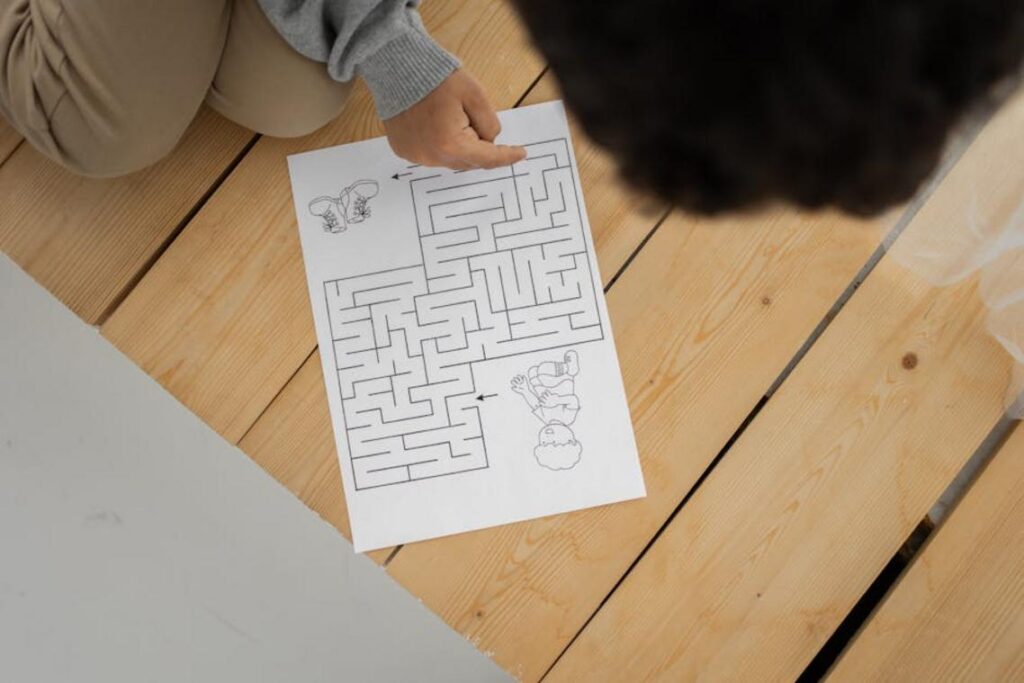
Parents today are searching for meaningful ways to support their child’s growth without turning childhood into a checklist of milestones. If you’re wondering how to encourage learning while still protecting the joy of being a kid, you’re in the right place. This article explores the real, research-backed play based learning benefits that shape cognitive skills, emotional intelligence, creativity, and social development.
Many families hear the term but aren’t sure what it truly looks like at home—or why it matters long term. We break down how play strengthens problem-solving abilities, builds resilience, and supports language development in ways structured instruction often cannot.
Our insights are grounded in child development research and guidance from early education specialists who study how children learn best. By the end, you’ll understand not only why play is powerful, but how to intentionally use it to nurture confidence, curiosity, and connection in your child’s everyday life.
Picture a child kneeling over a wobbling block tower, tongue out in concentration. She’s not just playing; she’s testing gravity, balance, and design. Yet many adults still believe real learning only happens at a desk. However, research shows the opposite: integrating play strengthens memory, problem-solving, and motivation. In fact, classrooms using play based learning benefits see higher engagement. For example, turn math into a store role-play, or use blocks to explore fractions. Meanwhile, cooperative games build communication skills. Start small: set a clear goal, provide open-ended materials, then reflect together. Ultimately, playful exploration fuels academic and personal growth far beyond worksheets.
The magic of play isn’t random; it’s a cognitive workout in disguise. When children build a blanket fort, they’re engaging in problem-solving and hypothesis testing. The couch cushion collapses? They reassess structure, adjust weight, and try again. That cycle—predict, test, revise—mirrors the scientific method (yes, tiny engineers at work). Research from the American Academy of Pediatrics notes that playful exploration strengthens critical thinking and resilience.
In pretend play, a living room becomes a grocery store or doctor’s office. This kind of imaginative rehearsal builds abstract thought—the ability to let one object represent another. When a child “writes” a receipt, they’re crafting narrative, sequencing events, and innovating rules (move over, Pixar).
Hands-on games also supercharge memory and concentration. Gamified math challenges or tactile science experiments increase dopamine, a neurotransmitter linked to motivation and retention, according to research published in Trends in Cognitive Sciences. Engaged brains remember more than bored ones—rote memorization rarely stands a chance. That’s where play based learning benefits become visible in classrooms and kitchens alike.
Finally, play sharpens executive function skills—planning, organization, and cognitive flexibility. When children invent rules for tag or a board game, they must hold instructions in working memory, adapt to curveballs, and negotiate fairness. Those are the same mental muscles used in goal setting and self-control. In short, play isn’t a break from learning; it’s the blueprint for building smarter, more creative thinkers. And while skeptics may call it “just fun,” the data tells a far more powerful story about growth overall.
Building a Community: The Social and Emotional Advantages of Play
From the outside, play can look like simple fun. However, decades of research suggest it is one of the most powerful tools for social and emotional growth. According to the American Academy of Pediatrics (2018), play strengthens executive function, language, and social skills—core building blocks for healthy development.
Collaboration, Empathy, and Emotional Growth in Action
To begin with, group play naturally teaches collaboration and negotiation. When children build a block city together, they must share limited materials, explain their ideas, and compromise on design (no one gets a skyscraper on every corner). A 2015 study in Early Childhood Research Quarterly found that cooperative play significantly improves communication and problem-solving skills in preschoolers. In other words, teamwork isn’t assigned—it’s practiced.
Equally important, role-playing fosters empathy and perspective-taking. When a child pretends to be a doctor, parent, or even a superhero, they experiment with different viewpoints. Research from Harvard’s Center on the Developing Child shows that imaginative play strengthens theory of mind—the ability to understand others’ thoughts and feelings. That’s not just cute; it’s foundational for healthy relationships.
Meanwhile, play offers a safe arena for emotional regulation. A fallen tower or a lost board game creates manageable frustration. Learning to try again builds resilience, a trait linked to long-term well-being (American Psychological Association, 2020).
Finally, minor conflicts during play are powerful teachers. Disagreements over rules push children to practice conflict resolution independently. These everyday moments highlight the measurable play based learning benefits that extend far beyond the playground.
Active Bodies, Active Minds: The Physical and Communication Gains

When it comes to development, think gross motor skills vs. fine motor skills. Gross motor skills involve large muscle movements—running, jumping, climbing playground equipment. Fine motor skills focus on smaller, precise actions like using scissors, drawing, or snapping tiny LEGO pieces together. Both matter, but in different ways. A child racing across a field builds coordination and balance; a child threading beads strengthens hand‑eye coordination needed for writing. It’s not either/or—it’s both (yes, even when the living room turns into an obstacle course).
Now compare structured lessons vs. sensory play. Worksheets teach concepts, but sand, water, and play-doh teach the brain how to process touch, texture, and resistance. This sensory input builds neural pathways foundational for reading, math, and focus (Harvard Center on the Developing Child). That’s one of the core play based learning benefits many overlook.
Finally, consider quiet time vs. conversational play. When adults engage in storytelling, explain game rules, and take conversational turns, children hear more varied vocabulary. Research shows back-and-forth dialogue significantly boosts language growth (American Academy of Pediatrics). For deeper insight, explore understanding emotional regulation in toddlers and preschoolers.
Pro tip: Narrate everyday moments—simple commentary dramatically expands vocabulary.
Putting Play into Practice: Simple Strategies for Any Setting
For the Classroom: Try “invitations to play”—simple themed stations that spark curiosity. A sandbox becomes a dinosaur dig, complete with brushes and “fossil” bones, introducing paleontology through discovery. Unlike rigid worksheets, these setups encourage problem-solving and collaboration (skills the World Economic Forum lists as essential for future careers). Critics argue structured lessons deliver faster results. But research consistently shows play based learning benefits include stronger language development, social skills, and long-term retention (Harvard Center on the Developing Child).
For the Home: Board games sharpen math and strategy, while chores transform into superhero training missions. (Yes, even laundry can save the world.)
The Power of Open-Ended Materials: Blocks, art supplies, and cardboard boxes outperform single-purpose gadgets in creativity and longevity. A box today is a spaceship; tomorrow, a bakery. Pro tip: fewer toys often mean deeper play.
Play isn’t the break from learning—it’s the engine. When kids build blanket forts or negotiate Lego treaties (tiny diplomats at work), they sharpen critical thinking and social muscles. The play based learning benefits are real. Choose one playful strategy this week and watch creativity bloom. Let curiosity lead the way.
Helping Your Child Thrive Starts Today
You came here looking for clarity on how to better support your child’s growth—and now you understand how powerful play based learning benefits can be for their confidence, creativity, problem-solving skills, and emotional development. When learning feels pressured or disconnected, kids disengage. But when it’s rooted in play, they lean in naturally.
The truth is, many parents worry they’re not doing enough or that their child is falling behind. That fear is real. The good news? Purposeful, play-centered experiences meet children where they are and help them grow without burnout or overwhelm.
Now it’s your move. Start by intentionally adding more guided play into your child’s daily routine. Choose activities that spark curiosity, encourage imagination, and build real-world skills in fun, meaningful ways.
If you want practical parenting insights trusted by thousands of modern families, explore more of our family-focused resources today. Discover strategies that actually work, strengthen your connection with your child, and make learning feel joyful again. Dive in now and start creating the growth-filled home your child deserves.
 Berthalizan Adams contributes a compassionate and insightful touch to What U Talking Bout Family, supporting its mission to explore family dynamics, parenting growth, and everyday moments that matter. Through a balanced and uplifting approach, Berthalizan helps create a space where families feel understood, inspired, and connected.